

The longest nights of the year are here. Four certified dark sky parks sit about an hour from Point of the Mountain, and this winter's sky calendar is one of the best in years.
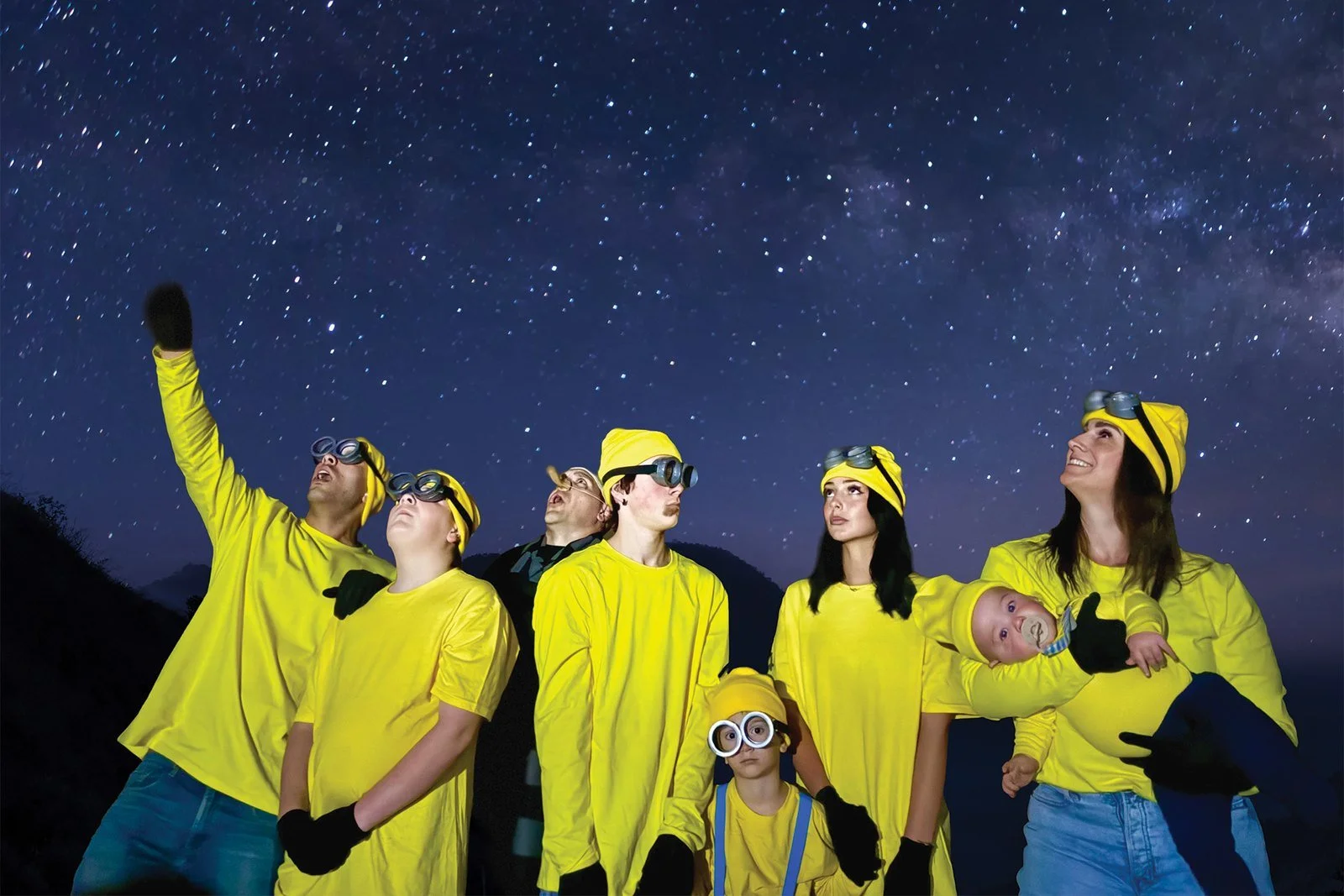
Step outside almost anywhere along the Wasatch Front on a clear night and try counting the stars. In most neighborhoods, you'll finish long before you get bored.
It wasn't always this way. Nearly 80% of Americans now live where light pollution hides the Milky Way. For many of us, the glowing band that guided travelers for thousands of years has become something we only see in photographs.
Here's the good news: you don't need a five-hour drive to red rock country to get it back, and you don't need to wait for summer. Four state parks certified for their exceptional night skies sit roughly an hour from home. And winter may be the most family-friendly stargazing season of all. It's fully dark by about 6:30 p.m., so you can bundle up after dinner, spend a couple of hours under a sky crowded with stars, and still have the kids home by bedtime.
Why Winter Is Prime Time
In summer, you wait until nearly 11 p.m. for true darkness. In December, the sky is ready before most people finish dinner, and it stays dark for more than 12 hours. The winter solstice on Dec. 21 brings the longest night of the year.
The winter sky is also the most dazzling of the year. Orion climbs over the eastern horizon in the early evening, with the Orion Nebula glowing as a soft smudge below his belt. Follow the belt down and to the left to Sirius, the brightest star in the night sky. Follow it up and to the right to the Pleiades, a tiny dipper-shaped cluster. Together with Capella, Pollux, Procyon and Rigel, those stars form the Winter Hexagon, six of the sky's brightest stars in one sweeping view.
Planet watchers have plenty to look at, too. Saturn stands high in the south as darkness falls and is the easiest telescope target of the season. Jupiter rises in the late evening in early December and a little earlier each night, building toward a showcase in February 2027, when both Jupiter and Mars reach their closest, brightest points of the year within about a week of each other.
Your Winter Sky Calendar
The moon matters more than anything else. A bright moon washes out faint stars and meteors, so plan around it.
What Makes a Sky "Certified"?
A certified International Dark Sky Place is a park, community or protected area that has been independently verified for outstanding night skies and has committed to keeping them dark. The certification comes from DarkSky International, a Tucson-based nonprofit founded in 1988. Certified parks must adopt a lighting management plan, monitor sky quality, retrofit their lighting and file a report every year to keep their status. In practice, that means shielded, downward-facing fixtures and warm-colored bulbs: lighting that helps you find the restroom without washing out the stars.
Utah takes this seriously. The state has close to 30 certified places, the greatest concentration anywhere in the world, including all five national parks. In 2007, Natural Bridges National Monument became the world's first International Dark Sky Park, and the list keeps growing. Snow Canyon State Park near St. George joined it in December 2025.
Four Dark Sky Parks Close to Home: Winter Edition
Drive times are approximate from Point of the Mountain, without traffic or snow. Winter hours and road conditions change, so call the park before a late visit.
Jordanelle State Park
Tucked between Park City and Heber, Jordanelle is the closest of the four, with wide-open views across the reservoir from the Hailstone area.
- Winter stay: Campgrounds are closed for the season, but the park's cottages are available year-round.
- After dark: Winter day-use hours are shorter. Call ahead before planning an evening visit.
Rockport State Park
Just off I-80 near Wanship, Rockport is open all year and is one of the easiest winter drives of the four.
- Winter stay: The park rents cabins and yurts.
- After dark: Security gates close from 11 p.m. to 6 a.m. You can drive out anytime, but you can't get back in.
East Canyon State Park
East Canyon surrounds a mountain reservoir northeast of Salt Lake City and offers the coziest cold-weather lodging of the four: heated yurts that sleep six, plus cabins.
- Road note: The State Route 65 approach from Salt Lake City closes each year from Thanksgiving to Mother's Day. After Thanksgiving, reach the park through Morgan, which adds time.
- After dark: Confirm gate hours with the park before you go.
Antelope Island State Park
The largest island in the Great Salt Lake is the best known of the four. Arrive before sunset to catch the bison, then drive to the island's west side, which looks out over the lake, away from the city lights.
- Winter stay: Bridger Bay Campground is open year-round for hardy campers. Water has been shut off on the island during construction of the new visitor center, so bring your own.
- After dark: The easiest evening trip of the four. Entry closes at 10 p.m., but the exit gate opens automatically for anyone leaving later. The park is closed on Thanksgiving and Christmas.
Sidebar
Your First Winter Dark Sky Night
Before you go
- Check three things: the moon, the weather and the roads. UDOT's traffic site and app show current mountain road conditions.
- Download a free sky app such as Stellarium, SkyView Lite or Sky Tonight. Point your phone at the sky and it labels what you're seeing. Switch it to red night mode before you arrive.
- Tell someone where you're going and when you'll be back. Cell service is spotty at some parks.
What to pack
- More layers than you think you need, plus a hat, gloves and insulated boots. Standing still at night feels far colder than skiing or hiking.
- Hand warmers and a thermos of hot chocolate.
- A reclining camp chair or a sleeping pad and blankets. Lying back is the most comfortable way to watch for meteors.
- A flashlight or headlamp with a red-light setting.
- A spare phone battery. Cold drains batteries fast, so keep yours in an inside pocket.
- Binoculars, if you have them. A basic 7x50 or 10x50 pair shows the Pleiades, the Orion Nebula and Jupiter's moons.
Once you're there
- Give your eyes 20 to 30 minutes to adjust. One glance at a bright screen resets the clock.
- Use red light only, and park so your headlights don't sweep across other stargazers.
- Find Orion first. Everything else in the winter sky is easy to locate from there.
Gift Guide
Thinking About a Telescope for Christmas?
December is the biggest month for telescope gifts. Here's how to pick one that gets used all winter, not just on Christmas night:
- Start with binoculars if you're unsure. They're easy to use, easy to pack and show a surprising amount.
- Ignore the magnification number on the box. For a traditional telescope, the size of the main lens or mirror and a sturdy, wobble-free mount matter far more.
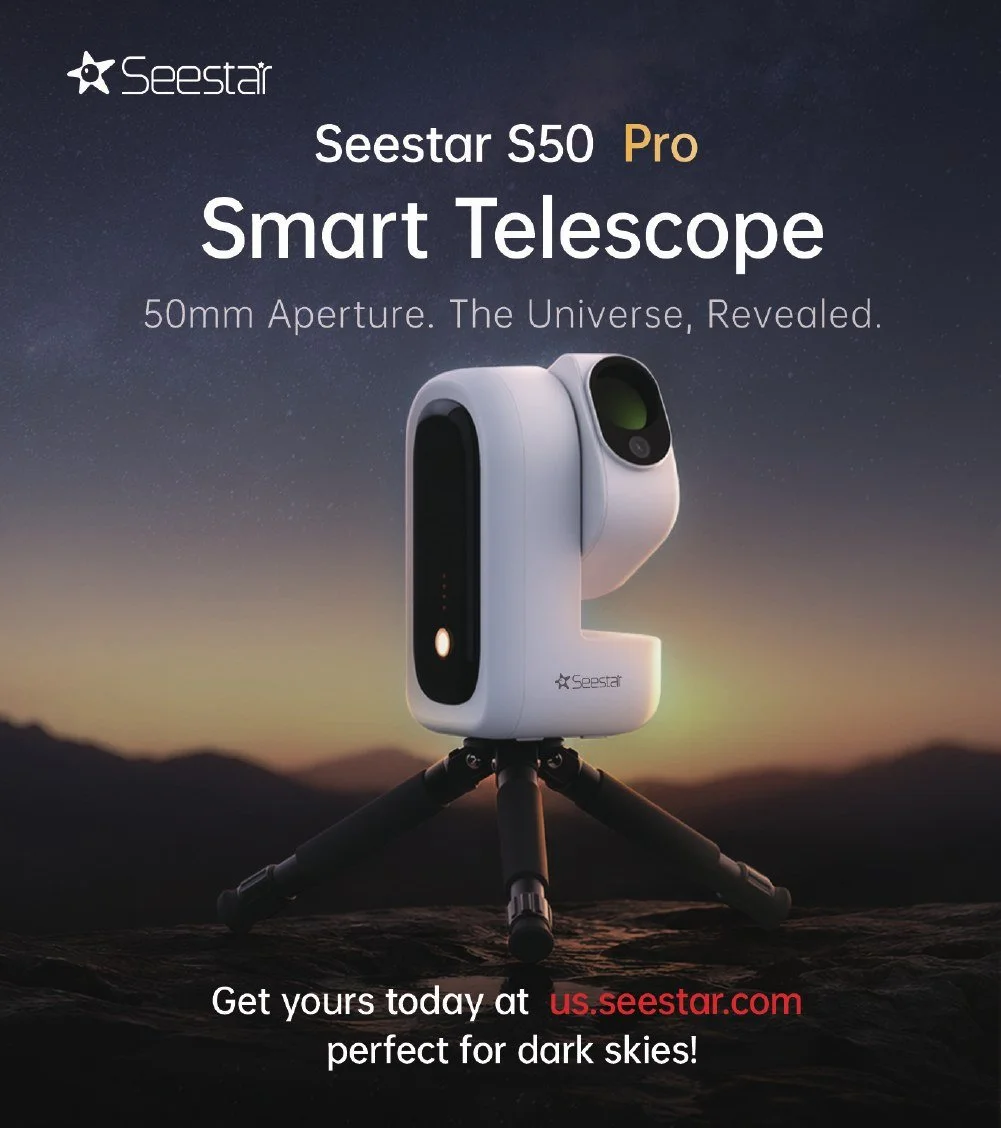
- Consider a smart telescope. This newer category combines a compact telescope, camera and motorized mount in one unit controlled from a phone app. You pick a target, and the telescope finds it, tracks it and builds up an image on your screen over a few minutes. They're popular with families because everyone can see the view at once, and you can save and share what you capture.
- Practice at home first. Set it up in the backyard before your first trip to a dark sky park, so you're not learning in the cold and dark.
- Plan the first night. The Dec. 23 full moon and Saturn, high in the south at dusk, are perfect first targets for a new telescope.
Look Up
The stars haven't gone anywhere. We just stopped being able to see them. This winter, with dark arriving by dinnertime and the year's best meteor shower falling on a moonless night, an hour's drive can change that. Bundle up, turn off the headlights, give your eyes a few minutes and look up.
Sources
- DarkSky International, International Dark Sky Places: darksky.org
- Utah State Parks, Dark Sky: stateparks.utah.gov/dark-sky
- Utah State Parks, Antelope Island camping and current conditions: stateparks.utah.gov
- Utah Business, "Utah's dark skies are driving a booming astrotourism economy" (July 2026)
- KPCW, Snow Canyon State Park dark sky designation (December 2025)
- EarthSky, 2026 Geminid, 2026 Leonid and 2027 Quadrantid meteor shower guides: earthsky.org
- Star Walk, November 2026 meteor showers and December 2026 full moon: starwalk.space
- Old Farmer's Almanac, December 2026 moon phases (Mountain Time): almanac.com
- Sterngucker, The night sky in December 2026: sterngucker.de
- Utah State University, Utah home to greatest concentration of recognized Dark Sky Places (2024)
AI assisted in the research and drafting of this article.