
The Heavy Carry: Why Rucking is the New Hiking for a Stronger You
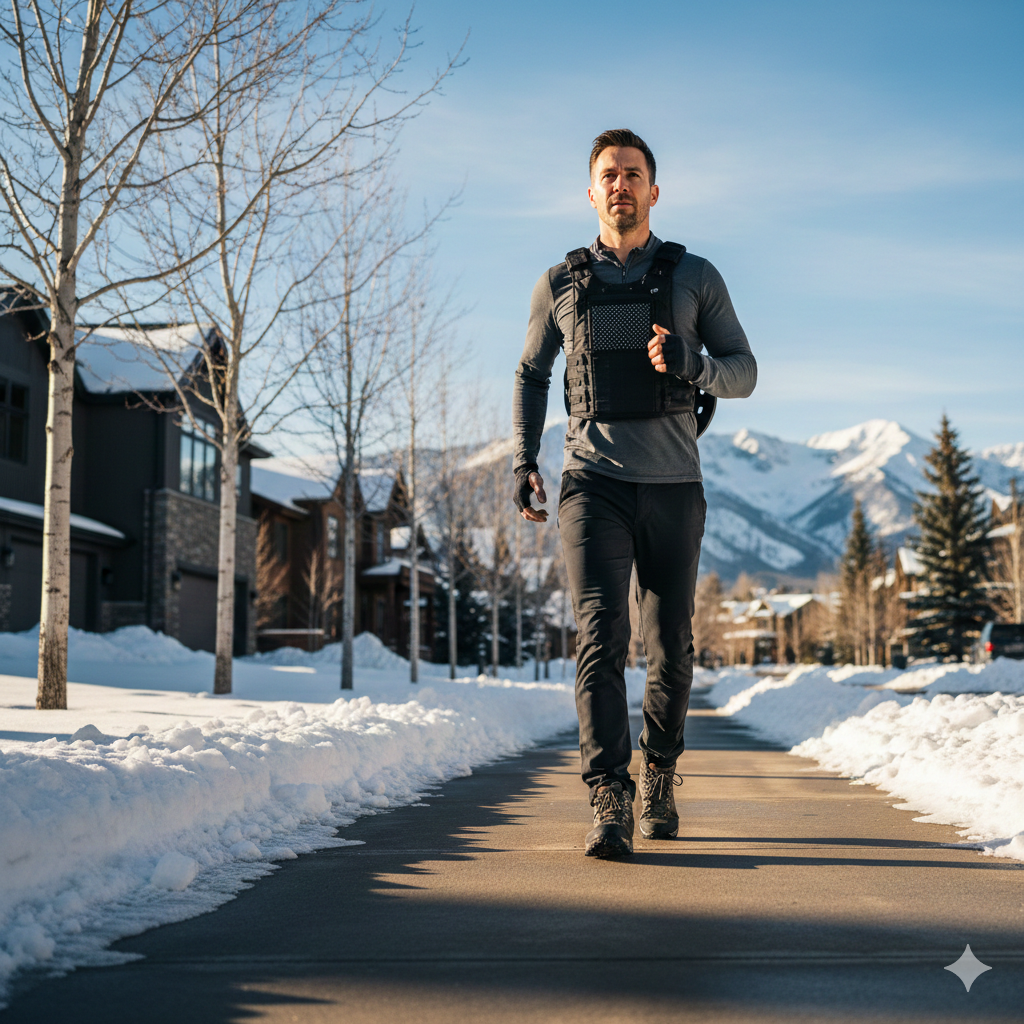
*Image generated using AI
Look around the trails of Corner Canyon, the paved paths of the Jordan River Parkway, or even just the sidewalks of your Bluffdale neighborhood, and you might notice something new: more people are walking with purpose, a subtle but significant weight on their backs. This isn't just a trend; it's a movement. Welcome to the world of rucking, where the simple act of walking with a weighted pack or vest is quickly becoming the ultimate functional fitness for the modern Utahn.
Born from the foundational training of special forces, rucking is elegantly simple: you walk, with weight. It’s a primal movement, mimicking how our ancestors carried supplies, hunted, and migrated. But for us, in the stunning backdrop of the Wasatch Front, it offers a powerful antidote to sedentary living and a way to amplify the benefits of our beloved outdoor adventures. Why just hike when you can ruck and build a stronger, more resilient body with every step?
The "Well & Whole" Benefits
Rucking isn't just about burning more calories (though it certainly does that). Its true power lies in its comprehensive benefits for both physical and mental well-being, aligning perfectly with the Mountain & Main ethos of living a whole, vital life.
Bone Density & Joint Strength: The Osteogenic Advantage As we age, maintaining bone density becomes critical. Rucking is a phenomenal weight-bearing exercise that directly combats bone loss. Each step, with the added load, sends micro-signals through your skeletal system, stimulating what’s known as "osteogenic loading." This process encourages your bones to become denser and stronger. It's not just your bones that benefit; the connective tissues around your hips, knees, and ankles—crucial for navigating our mountain terrain—are also fortified, making you more robust and less prone to injury on and off the trail.
Heart Health & "Active Cardio": Zone 2 for Life While a brisk walk is good, a ruck is great for your cardiovascular system. By carrying weight, your body has to work harder to move, elevating your heart rate into that optimal "Zone 2" range. This is where your body becomes incredibly efficient at burning fat for fuel, improving your aerobic capacity, and strengthening your heart muscle without the high impact stress of running. For those who love long hikes, bike rides, or simply want to improve their metabolic health, consistent Zone 2 rucking is a game-changer. It translates to better endurance for everything from a challenging ascent up Mount Olympus to keeping up with your kids on a playground.
Functional Longevity: Preparing for Real Life Think about the demands of daily life in the mountains: hauling firewood, carrying heavy groceries up a flight of stairs, or even just lifting a child onto your shoulders. These are all "functional movements" that rucking trains your body for. By consistently carrying weight, you build practical strength and endurance that directly translates into real-world resilience. It improves your core stability, strengthens your back, and teaches your body how to move efficiently under load, significantly reducing the risk of everyday aches and pains.
Gear & Getting Started: The Right Tools for the Trail
Ready to embrace the heavy carry? Starting smart is key. You don't need much, but the right gear will make a world of difference in comfort and effectiveness.
The 10% Rule: Start Light, Build Strong For beginners, the golden rule is to start with no more than 10% of your body weight. If you weigh 150 pounds, a 15-pound ruck is a perfect starting point. Listen to your body, and gradually increase the weight as your strength and endurance improve. The goal is sustainable progress, not immediate exhaustion.
Pack vs. Vest: What's Your Carry Style?
Rucksack/Backpack: If you already own a sturdy hiking backpack, you can easily convert it. Simply add weight—sandbags, old textbooks, or purpose-built ruck plates. Ensure the weight is positioned high and tight to your back to prevent shifting and strain. A good hip belt will also transfer some of the load to your hips, relieving your shoulders.
Weighted Vest: For a more ergonomic and sleek option, especially for neighborhood walks or shorter rucks, a weighted vest is ideal. These vests distribute the weight evenly across your torso, often feeling more natural and less cumbersome than a loaded backpack. They're excellent for maintaining posture and are less likely to bounce.
Footwear Matters: Support Your Foundation With added weight, your feet and ankles will experience more stress. Invest in good quality hiking boots or sturdy trail shoes that offer excellent ankle support and cushioning. Proper footwear will prevent blisters, provide necessary stability on uneven terrain, and protect your joints over the long haul.
Local Trails: Your "Rucking Reset" Map
Utah offers an unparalleled natural playground, perfect for integrating rucking into your routine. Here are a few local spots in Bluffdale and Draper that cater to all levels, from beginners to seasoned rucks.
The Bluffdale Flat (Beginner): Jordan River Parkway For those just dipping their toes (and backs) into rucking, the Jordan River Parkway is your ideal starting point. This extensive, paved trail system offers miles of flat, consistent terrain. It's perfect for getting accustomed to the feel of carrying weight without the added challenge of elevation changes or technical footing. Focus on your gait, posture, and simply covering distance. Aim for 3-5 miles with your starting weight.
The Draper Challenge (Intermediate): Potato Hill Trail When you're ready to step up the intensity, head to the Potato Hill Trail in Draper. This popular loop offers enough gentle elevation changes to engage different muscle groups and elevate your heart rate further, pushing you deeper into that Zone 2 sweet spot. It's a fantastic spot for a 45-minute to an hour-long "power ruck," offering rewarding views and a true sense of accomplishment as you climb with your added load.
The "Mountain & Main" Peak (Advanced): Corner Canyon to Ghost Falls For the experienced rucker looking for a true challenge, the climb from Corner Canyon to Ghost Falls is your proving ground. The rocky, uneven terrain demands greater core stability, ankle strength, and mental fortitude. Navigating the natural obstacles with a weighted pack will dramatically improve your balance, proprioception, and overall functional strength, making those everyday mountain excursions feel effortless. This is where your rucking training truly pays off, transforming you into a more capable and resilient mountain dweller.
Conclusion: The Mental Carry
Beyond the undeniable physical transformations, rucking offers a profound mental benefit. The sustained physical effort, especially when carrying a heavy load, demands focus and presence. It's a moving meditation where the rhythm of your steps and the weight on your back help to quiet the mental chatter. The "heavy carry" can be incredibly grounding, reducing stress and enhancing mental clarity—a true reset for mind, body, and spirit.
So, grab your pack, find your weight, and hit the trail. The mountains of Utah are calling, and with rucking, you're not just answering; you're becoming stronger, healthier, and more connected to the vital essence of what it means to live well and whole in the heart of the Rockies. Perhaps we'll even see you at an upcoming Mountain & Main community ruck!
Rucking Gear Guide - Essentials for Your Heavy Carry
Ready to ruck? While the concept is simple, having the right gear enhances comfort, safety, and effectiveness. Here’s what you’ll need to get started on your "heavy carry" journey:
1. The Ruck (Pack or Vest)
Purpose-Built Ruck/Backpack:
Look For: Durable construction (500D or 1000D Cordura nylon), padded shoulder straps, and a hip belt to distribute weight. A sternum strap helps stabilize the load.
Why It Matters: Prevents shifting, reduces shoulder strain, and allows for comfortable long-distance carries.
Pro Tip: Choose a pack with internal compression straps to keep your weight high and tight against your back.
Weighted Vest:
Look For: Adjustable weight (plates or sandbags), snug fit that doesn't bounce, and breathable materials.
Why It Matters: Distributes weight evenly across your torso, often more comfortable for urban rucks or those with shoulder/back sensitivities.
Pro Tip: Try on different vests to ensure a secure fit that doesn't chafe or restrict movement.
2. The Weight
Ruck Plates:
Look For: Steel or cast iron plates specifically designed for rucking, usually rectangular for optimal fit.
Why It Matters: Dense, compact, and won't shift inside your pack.
Pro Tip: Wrap plates in a towel or foam to prevent rattling and protect your pack.
Sandbags/Bricks/Water Bottles:
Look For: Any heavy, non-sharp objects that can be secured. Sandbags (double-bagged!) are a great DIY option.
Why It Matters: Affordable and accessible ways to add weight if you’re just starting out or experimenting.
Pro Tip: Pack softer items around irregular weights to prevent bruising or discomfort against your back.
3. Footwear
Hiking Boots or Trail Shoes:
Look For: Good ankle support, aggressive outsole for traction, proper arch support, and cushioning. Waterproofing is a bonus for Utah's variable weather.
Why It Matters: Added weight increases impact on your feet and ankles. Quality footwear protects against injury and provides stability on uneven terrain.
Pro Tip: Break in new boots before attempting a long ruck to avoid blisters. Consider an aftermarket insole for personalized support.
4. Hydration
Water Bladder or Bottles:
Look For: A hydration bladder (2-3 liter capacity) with a hose for hands-free sipping, or durable water bottles easily accessible.
Why It Matters: Staying hydrated is paramount, especially when exerting yourself with added weight, and even more so at Utah's altitude.
Pro Tip: Drink small amounts frequently rather than guzzling large amounts at once.
5. Essentials for the Trail
Moisture-Wicking Socks:
Look For: Wool or synthetic blends that wick away sweat to prevent blisters.
Why It Matters: Cotton is your enemy! It retains moisture, leading to chafing and blisters, especially with heavier loads.
First-Aid Kit:
Look For: Basic supplies: bandages, antiseptic wipes, blister treatment (like moleskin), pain relievers.
Why It Matters: Small scrapes or blisters can quickly turn into bigger problems when you're carrying weight.
Navigation:
Look For: A fully charged phone with a trail app (like AllTrails), a physical map, or a GPS watch.
Why It Matters: Even familiar trails can be tricky, and carrying weight can make you feel more disoriented if you stray.
