

Reclaiming Your Brain: Why a "Dopamine Fast" Might Be Your Best Medicine
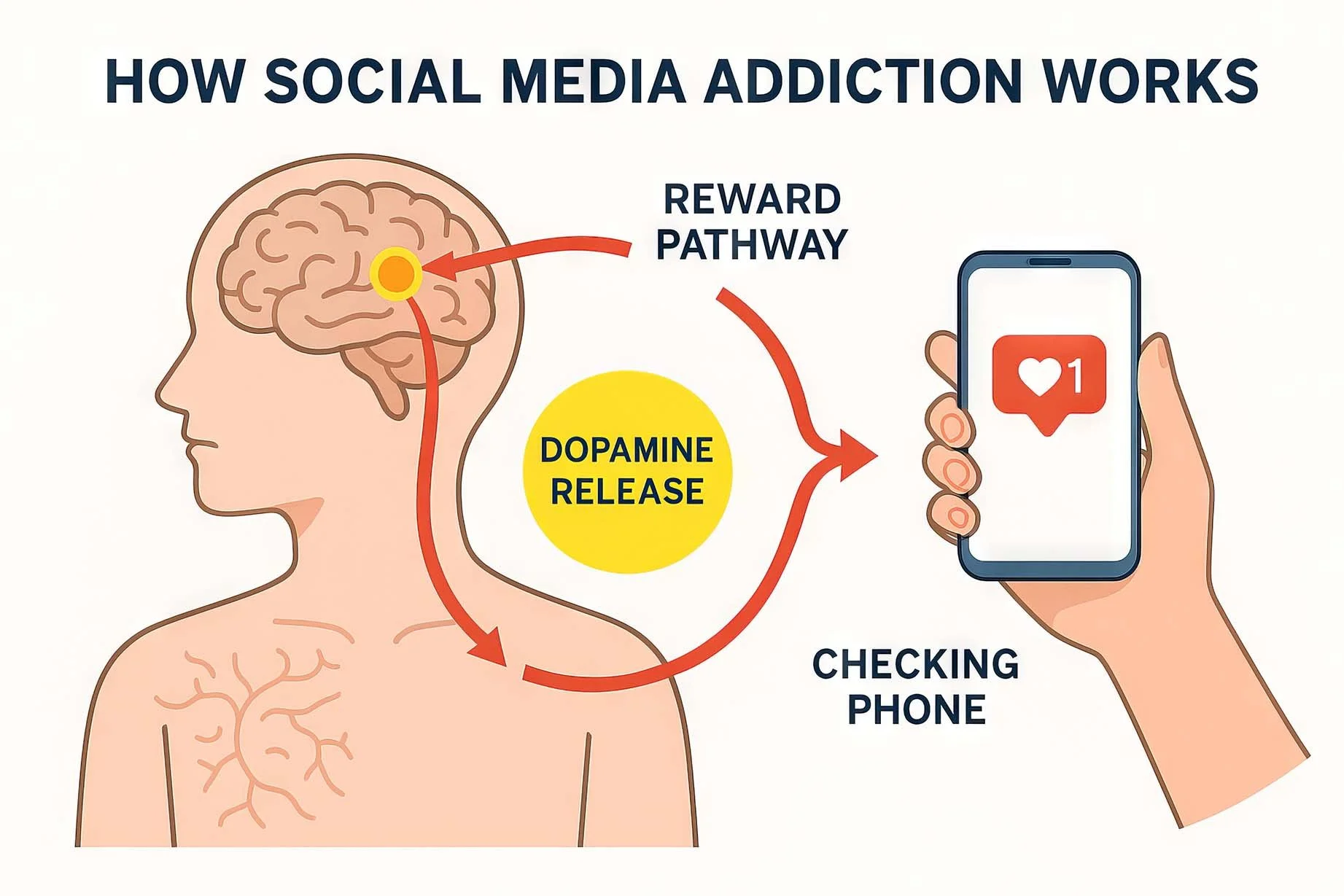
The average person touches their phone over 2,600 times a day. 😮
By Well & Whole Staff | Mountain & Main
We live in an economy of attention. Every ping, buzz, and red notification badge is engineered to steal a micro-moment of your focus. And for many of us, it’s working.
The average person touches their phone over 2,600 times a day. We scroll in line at the grocery store, we check email before we’ve even brushed our teeth, and we "wind down" by blasting our retinas with blue light. The result? A low-level hum of anxiety and a brain that has forgotten how to simply be.
This month, we aren’t suggesting you throw your smartphone into the Great Salt Lake. That’s not realistic. Instead, we are exploring the concept of a "Dopamine Fast"—or more simply, the Soft Log-Off.
The Science of the Scroll
When you see a notification, your brain releases dopamine—a chemical associated with pleasure and reward. It’s the same neural pathway triggered by gambling. But when that reward loop is over-stimulated, our baseline for happiness shifts. Real life—watching a sunset, reading a book, talking to your spouse—can start to feel "boring" by comparison because it lacks the rapid-fire stimulation of a TikTok feed.
How to Start the Soft Log-Off
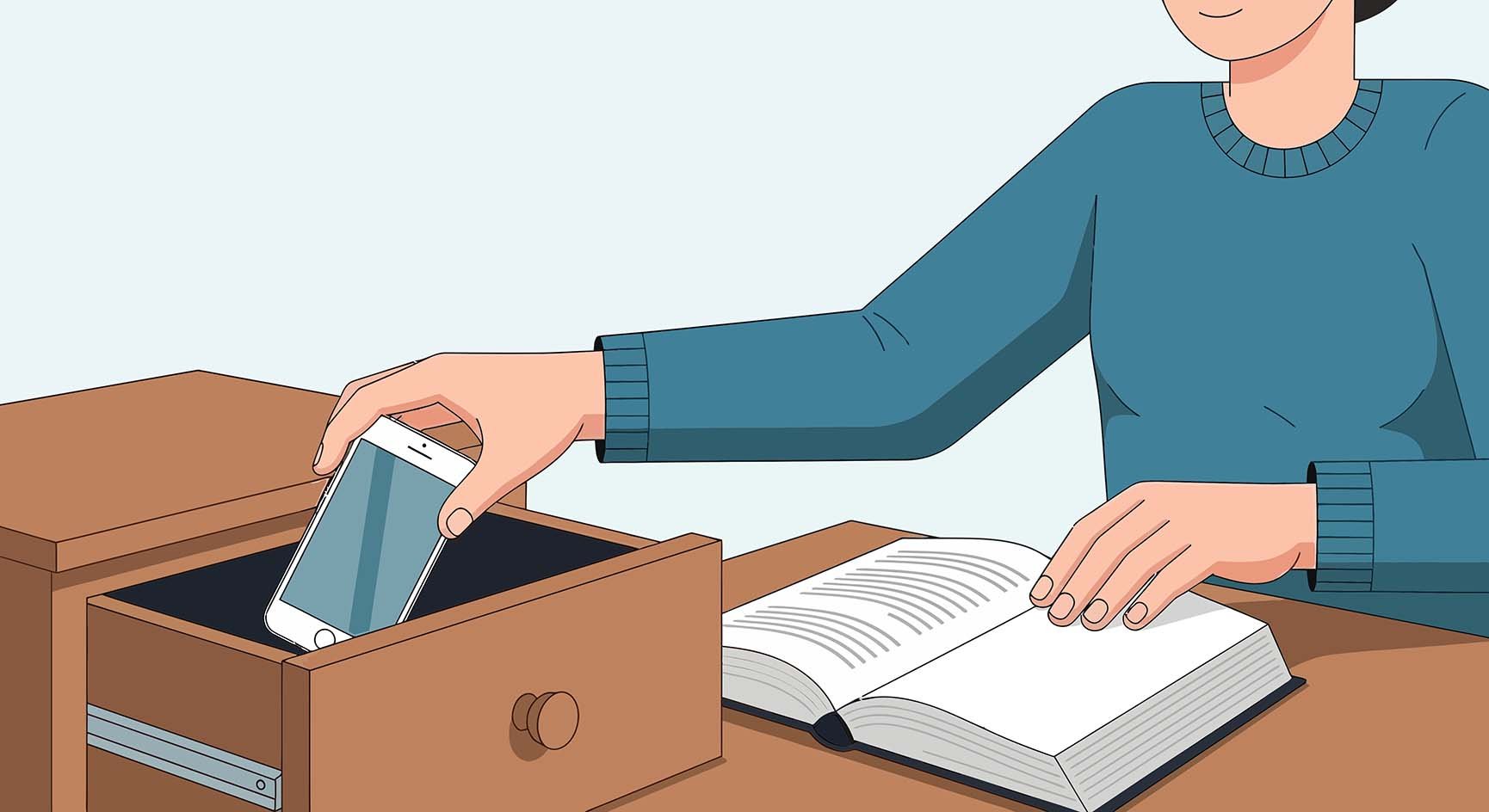
You don’t need a weekend retreat to reset. Start with these three boundaries:
The "Phone Foyer" Rule: When you walk in the door after work, your phone goes into a basket in the entryway (or a designated drawer) for the first 30 minutes. No exceptions.
Analog Mornings: Buy a real alarm clock. Keep your phone out of the bedroom. Give your brain 15 minutes of silence before you flood it with the world’s problems.
The "Gray" Area: Turn your phone screen to Grayscale mode (Black & White). It instantly makes Instagram less stimulating and breaks the subconscious pull of colorful icons.
Wellness isn’t just about what you eat or how much you run; it’s about protecting your peace. This week, try to disconnect to reconnect. You might be surprised at how much time—and calm—you actually have.