

Utah Fun Fact: A World-Class Dinosaur Discovery Region
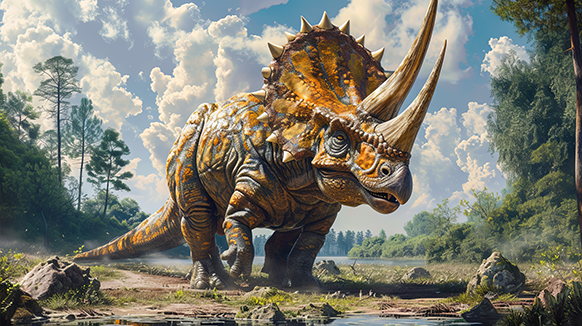
According to the Utah Geological Survey, more than 100 dinosaur species have been identified from Utah's rock formations—and that number continues to grow with new discoveries every year.
The Beehive State's fossil record spans all three periods of the Mesozoic Era—Triassic, Jurassic, and Cretaceous—making it one of the most complete prehistoric timelines in North America. And the best part? You don't need to travel to remote dig sites to experience it. World-class dinosaur discovery is right here along the Wasatch Front.
Why Utah?
Utah's unique geological history created ideal conditions for both dinosaur habitation and fossil preservation. Over millions of years, the region transitioned through shallow seas, vast sand dune deserts, river floodplains, coastal plains, and the Western Interior Seaway. Each environment supported different species—and then buried them in layers of sediment perfect for fossilization.
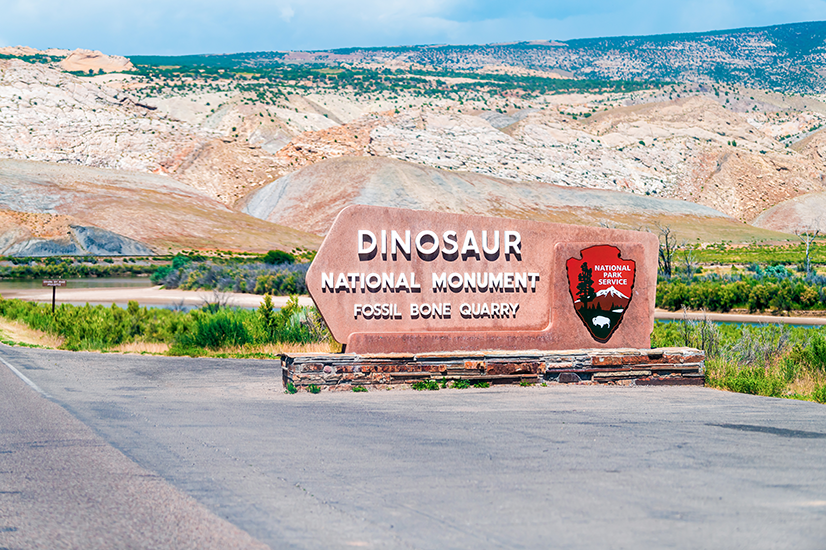
Jurassic National Monument in central Utah
The Cleveland Lloyd Dinosaur Quarry in Emery County, Utah has yielded over 12,000 bones since excavations began in 1928.
The Cleveland-Lloyd Dinosaur Quarry alone, now part of Jurassic National Monument in central Utah, has yielded over 12,000 bones since excavations began in 1928. The site produced so many Allosaurus specimens that the fearsome meat-eating predator became Utah's official state fossil in 1988. According to the Natural History Museum of Utah, more Allosaurus fossils have been found in Utah than anywhere else on Earth.
And discoveries continue today. As recently as 2025, excavations at the St. George Dinosaur Discovery Site uncovered over 1,000 fossils with potential for multiple new species from 200-million-year-old sediments—some of the oldest dinosaur remains ever found in Utah.
Our Top Pick: Natural History Museum of Utah
For the definitive Wasatch Front dinosaur experience, the Natural History Museum of Utah in Salt Lake City sets the standard. Nestled in the foothills above the city, the museum's stunning 163,000 square foot Rio Tinto Center offers over 41,000 square feet of gallery and education space—including what many consider the finest dinosaur collection in the American West.
What makes it special:
The Past Worlds gallery takes visitors on a journey through hundreds of millions of years of Utah's ancient environments. But unlike museums that display fossils shipped in from around the world, the dinosaurs here are from Utah. You're seeing the actual creatures that once roamed this land.
The collection includes what the museum describes as the world's largest display of Allosaurus skeletons, excavated from the Cleveland-Lloyd Quarry, and the world's only exhibit featuring 14 ceratopsian (horned) dinosaur skulls. When new dinosaur species are discovered in Utah—which happens regularly—there's a good chance they'll debut here first.
Visitors can watch paleontologists at work in the active preparation lab, cleaning and preparing specimens for research and display. It's science happening in real time.
The experience:
Plan for 2–3 hours. The museum flows from ancient life through Utah's geological story, Native American heritage, and the Great Salt Lake ecosystem. The building itself offers spectacular valley views from the upper terrace. Parking is free; admission runs around $23–$25.
Details: 301 Wakara Way, Salt Lake City • Open daily 10am–5pm (Wednesdays until 9pm) • nhmu.utah.edu
Family Adventure Alternative: Museum of Ancient Life

Interior of Museum of Ancient Life at Utah • Photo from Adobe Stock by vadiml
For families with younger dinosaur enthusiasts seeking maximum "wow factor," the Mountain America Museum of Ancient Life at Thanksgiving Point in Lehi delivers an unforgettable experience.
With 60 complete dinosaur skeletons—which the museum describes as one of the largest displays of mounted dinosaurs in North America—the sheer scale is jaw-dropping. You'll walk through and even under towering specimens as immersive soundscapes fill each hall with prehistoric atmosphere.
What kids love:
The museum shines with hands-on interaction. The Erosion Table lets kids manipulate sand and water to learn geological principles. The Quarry Dig puts them in the role of paleontologist, brushing sand off buried fossils. At the Paleo Studio, visitors use real paleontology tools to excavate an actual Eocene-era fossil—and take it home.
A working lab lets families watch paleontologists and volunteers unearth a 150-million-year-old Barosaurus. And since it's part of the larger Thanksgiving Point complex, you can combine your visit with the gardens, butterfly biosphere, or farm for a full day of exploration.
The experience:
Plan for 2–3 hours at the museum alone; longer if combining with other Thanksgiving Point venues. The All-Access Pass covers all seven attractions. Admission runs $17–$24 depending on age; purchase tickets online in advance at the link below.
Details: 2929 N Thanksgiving Way, Lehi • Monday–Saturday 9am–8pm • thanksgivingpoint.org
Explore More
These two museums represent the best of what the Wasatch Front offers for dinosaur discovery, but the region has even more to explore—from the outdoor sculpture park at Ogden's Eccles Dinosaur Park to the free BYU Museum of Paleontology in Provo.
See our complete guide: Museums & Art Galleries in Utah and Salt Lake Counties
Utah's prehistoric story spans hundreds of millions of years and continues to unfold with every new dig. The next major dinosaur discovery? It just might be waiting in your own backyard.