

Utah once had no wild turkeys at all. Today tens of thousands roam the state, thanks in part to a few creative trades. One of them involved a truckload of trout.
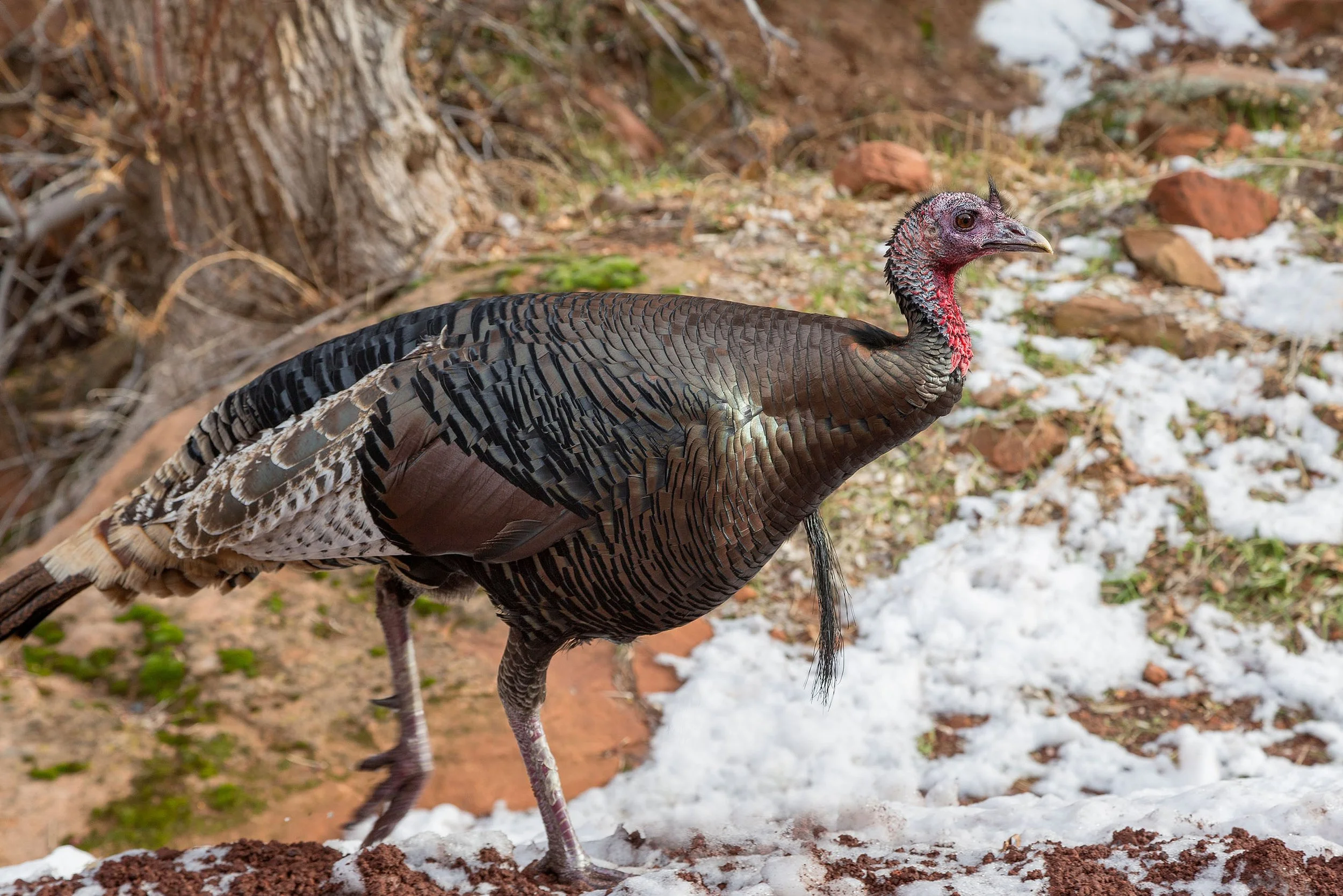
In December 1994, Utah wildlife officials welcomed 60 wild Rio Grande turkeys from Kansas. The price wasn't cash. Utah paid with 6,000 rainbow trout.
Swaps like that were part of how the Utah Division of Wildlife Resources rebuilt the state's turkey population. State agencies traded what they had plenty of for what they needed, like fish for birds or an elk for a set number of turkeys. Those 60 Kansas turkeys were released at three sites in central Utah with help from volunteers with the National Wild Turkey Federation.
A bird that vanished, then came back
Turkeys aren't new to Utah. Archaeological and historical evidence shows Native Americans and wild turkeys shared this land long ago. But by the time European settlers arrived, the birds were gone, and for about a century Utah had no established wild flocks.
An attempt to bring them back in the 1920s failed. The comeback really began in 1952, when biologists released Merriam's turkeys brought in from Colorado in southern Utah. Those birds survived, but numbers grew slowly.
The turning point came in the late 1980s. The Rio Grande subspecies took hold in Washington County, and in 1989 the DWR launched a statewide program to trap and move turkeys to new areas. Over the years, birds came from Arizona, Colorado, Kansas, Oklahoma, South Dakota, Texas and Wyoming.
The results speak for themselves. In 1994, Utah had an estimated 3,500 wild turkeys. The DWR now puts the statewide population at roughly 25,000 to 35,000.
Two kinds of turkeys
Utah is home to two subspecies of wild turkey, and they sometimes interbreed where their ranges overlap.
Rio Grande turkeys are the more common of the two. They favor lower country, such as cottonwood river bottoms and streamside areas with oak brush.
Merriam's turkeys tend to live at higher elevations.
To tell them apart, look at the tail. Merriam's tail feathers have white tips, while a Rio Grande's are tan or buff.
See them for yourself
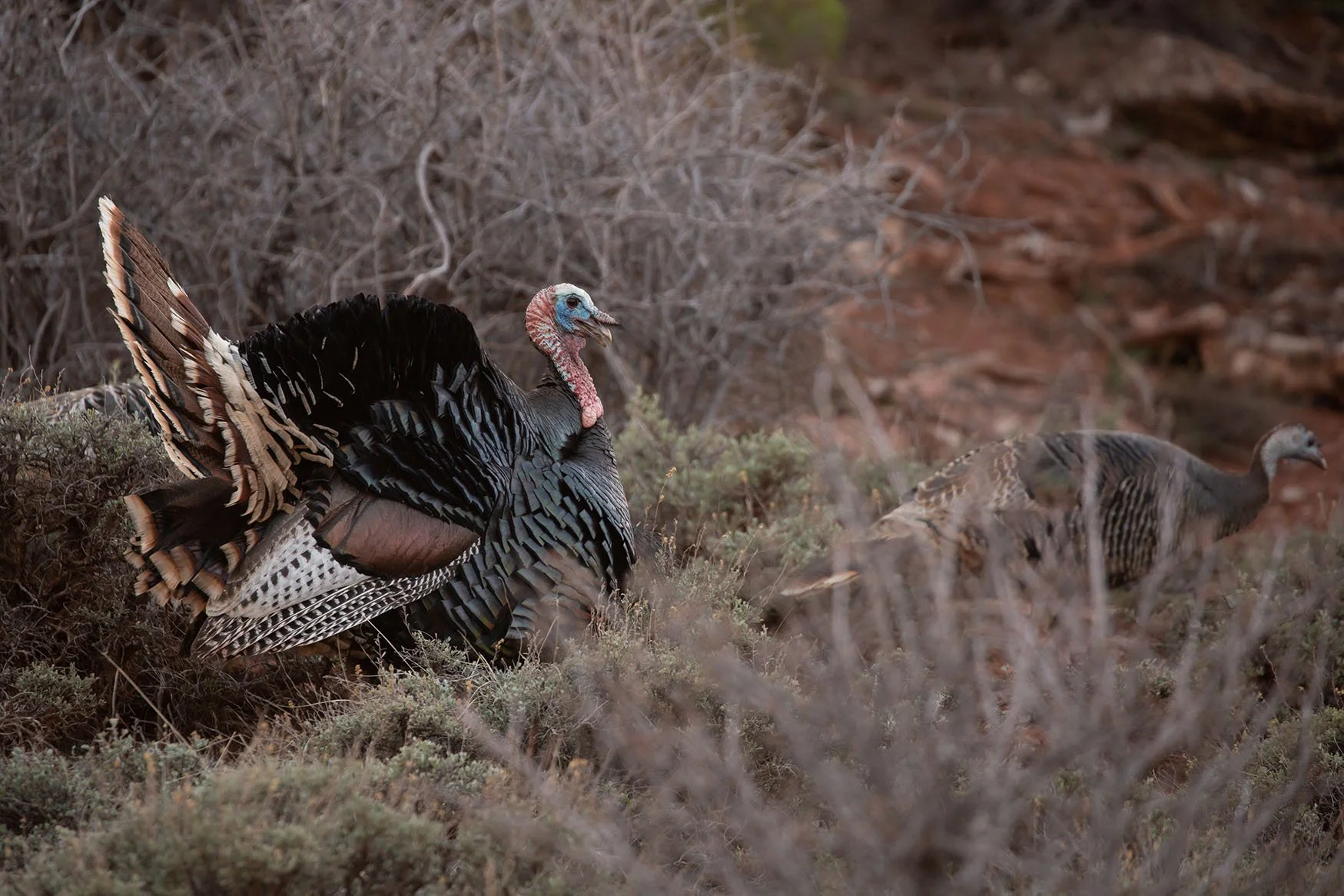
Fall and winter are some of the best times to spot wild turkeys, as the birds move to lower ground. One of the easiest places to look is the Hardware Wildlife Management Area in Cache County's Blacksmith Fork Canyon. Dozens of turkeys live there, and this month the DWR's Hardware Wildlife Education Center is hosting its free Turkey Tales exhibit.
The exhibit covers wild turkey biology and fun facts. Kids can make a free craft and catch hourly story times, and a walking path near the center becomes an outdoor storybook trail with animal activities. Sightings aren't guaranteed, but the odds are good, and you may spot turkeys on the drive up the canyon too.
Turkey Tales at a Glance
- Where: Hardware Wildlife Education Center, 15 miles up state Route 101 from Hyrum
- When: Nov. 13, 14 and 15, and Nov. 20, 21 and 22, from 10 a.m. to 3 p.m.
- Cost: Free
- Drive: About two hours from Point of the Mountain
- Info: 435-753-6206 or the Hardware Wildlife Education Center page
It's a fitting outing for Thanksgiving week, and a good reminder that the bird at the center of the holiday table has its own Utah comeback story.
- Utah DWR: Turkey Tales exhibit at Hardware Wildlife Education Center (Oct. 22, 2026)
- Utah DWR: Turkey history and transplant program
- Utah DWR: Turkeys and Native Americans in Utah
- Deseret News: DWR adds 60 turkeys to wilds (1994)
- Deseret News: Utah turkey flocks once sparse now flourish (2006)
- Wild About Utah: Wild Turkeys
AI assisted in the research and drafting of this article.