

Swapping Powder for Pedals: The Wasatch Front’s Summer Mountain Guide
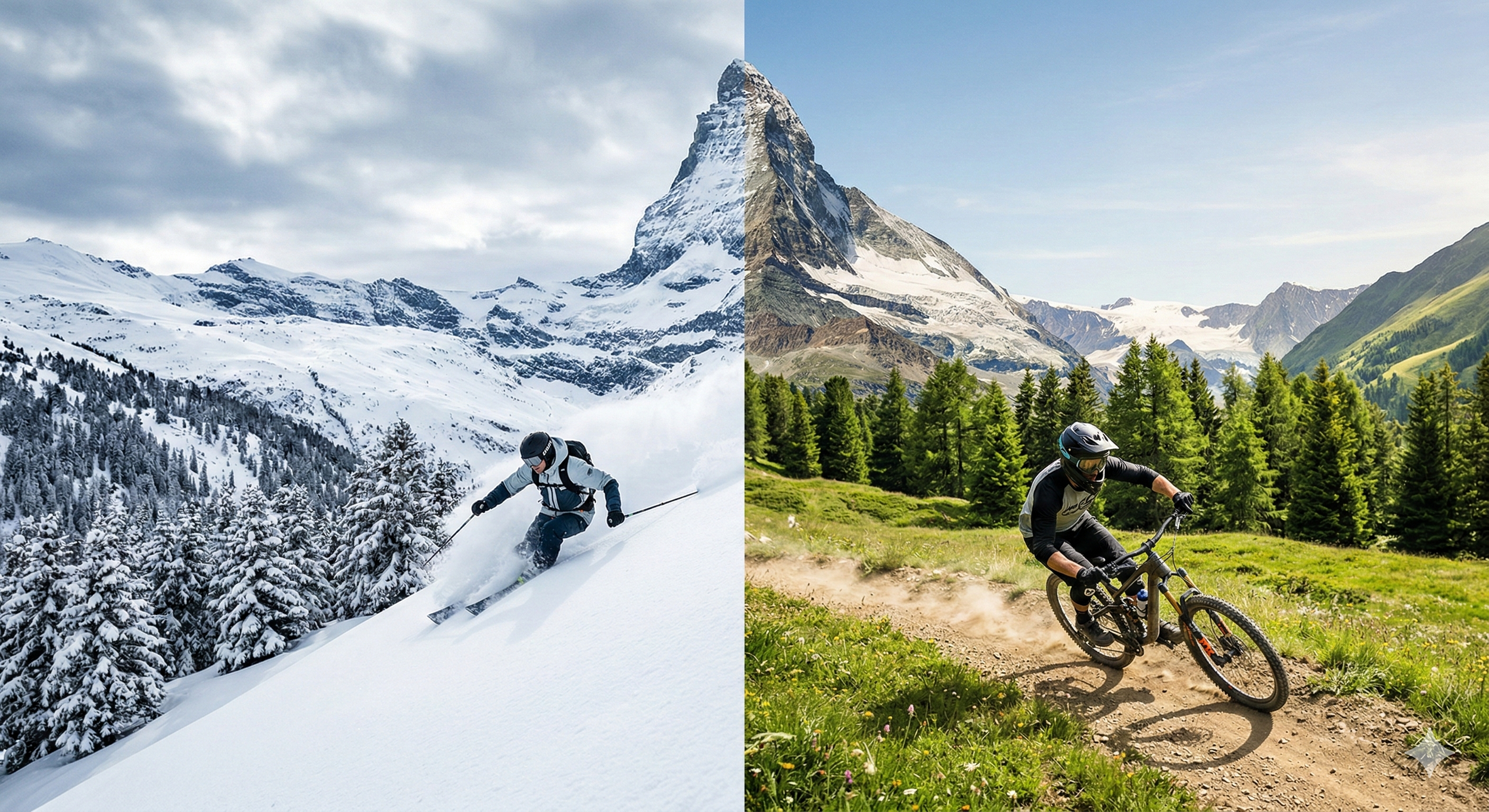
AI-generated image
By Trail & Terrain Staff
As the final spring ski days slowly fade in the rearview mirror, a quiet transformation begins across the Wasatch Front. The snowpack recedes, the brightly colored winter gear goes into storage, and the resorts seem to briefly hold their breath. But make no mistake—the mountains aren’t closing. They are simply changing out their wardrobes.
For the outdoor enthusiasts of the Greater Salt Lake Valley, the end of winter sports just means the beginning of a whole new way to experience our local peaks. If you’ve only ever visited our local resorts with skis or a snowboard strapped to your feet, you are missing out on one of the best iterations of Utah’s alpine culture.
Here is what you can expect when the snow melts, the trails dry out, and the lifts start spinning for summer.
Waking Up the Mountain: The Transition
Transitioning a massive ski resort into a summer playground is no small feat. It is a labor-intensive process that takes several months to complete once the snow finally melts.
Before you can shred down the mountain on two wheels, resort trail crews have to hike the mountain from top to bottom, assessing the damage left behind by winter. They clear fallen trees, fix erosions, and spend countless hours raking trail debris. Heavy machinery like backhoes and excavators are brought in to rebuild and shape the dirt berms and turns. Finally, lift maintenance teams perform the monumental task of swapping out traditional ski chairs for specialized bike carriers. It’s a massive undertaking, all designed to give you the perfect gravity-fed ride.
The Summer Equivalents: Finding Your Trail
If you are used to navigating the mountain by the color of the ski runs, mountain biking operates on a very similar, yet distinctly dirt-focused, wavelength.
The "Bunny Slope" Equivalent: Green Flow Trails. Just like you wouldn’t take a first-time skier to a double-black diamond, new mountain bikers should look for "Green" flow trails. These are wide, smooth, and relatively flat singletrack trails with gentle rollers and sweeping turns. They require minimal braking and let you get a feel for the bike's suspension without the stress of navigating technical rock gardens.
The "Terrain Park" Equivalent: Skills Parks and Freeride Trails. In the winter, you head to the half-pipes and rail jams. In the summer, you look for freeride jump trails and skills parks. These areas are loaded with man-made features like wooden bridges, massive dirt step-ups, and steeply banked berms. It’s all about catching air, finding your flow, and dialing in your technique.
The "Backcountry Powder" Equivalent: Technical Downhill Singletrack. For the experts who crave the adrenaline of steep, ungroomed winter terrain, technical black-diamond bike trails offer the summer equivalent. These trails are raw, steep, and loaded with natural obstacles like thick root systems and jagged rock drops that require instinctual braking and high-level bike control.
Where to Go, Who to Bring, and What to Pack
The beauty of the Wasatch Front is the sheer variety of resorts right in our backyard. Depending on your crew, different mountains offer entirely different summer experiences.

Deer Valley Resort
If you want to learn the ropes, Deer Valley is arguably the best place to start. (Photo By Salil at Adobe Stock)
For the Aspiring Biker: Deer Valley Resort If you want to learn the ropes, Deer Valley is arguably the best place to start. They have poured resources into making the sport accessible, offering "Adult Afternoon Beginner Downhill Packages" and specialized kids' clinics. Newcomers can warm up at the Silver Lake Skills Park to build confidence before hitting accessible green trails like Holy Roller.
The Gear: Leave your street bike at home. Downhill mountain biking requires a full-suspension bike tuned for aggressive terrain. Luckily, resorts like Deer Valley rent everything you need, from high-quality downhill and enduro bikes to e-bikes and junior sizes. You will also need a properly fitted helmet, gloves, and protective joint pads.
For the Ultimate Family Basecamp: Snowbird If your family has a mix of ages—from teenagers looking for a thrill to parents pushing a stroller—Snowbird is the gold standard for summer accessibility. You don’t even need a bike to get your adrenaline pumping.
Snowbird's All-Day Activity Pass is a golden ticket for kids and adults alike. Older kids can race down the mountain on the Mountain Coaster, a gravity-fueled ride on fixed rails that reaches up to 27 mph. For a smoother ride, the Alpine Slide offers a dual-track descent where riders control their own speed. Meanwhile, younger kids can pan for real treasures at the gemstone mining station, tackle the Spider Mountain climbing tower, or cast a barbless hook into the Kids' Fishing Pond. Even with the newest additions to the family, you can enjoy the fresh air on the Observation Point Trail, a flat, paved path that is entirely stroller-friendly.
The "Off-Season" Community Hub
While the high-speed thrills get most of the attention, there is another angle to the summer resort scene that is just as important: the community basecamp.
Our local resorts don't just survive the summer; they transform into vibrant community hubs. You don't have to be a hardcore downhill biker or an extreme hiker to enjoy the mountain. Taking the Snowbird Aerial Tram 2,900 vertical feet up to Hidden Peak—perhaps stepping out onto their open-air rooftop balconies—offers staggering 360-degree views of the valley that you simply can't get anywhere else.
Throughout the summer, these mountain bases host outdoor concert series, wildflower festivals, and local food pop-ups. It’s about grabbing a milkshake at Deer Valley after a ride, listening to live music on the lawn as the sun goes down, and letting the kids burn off their last bit of energy on a bungee trampoline. It’s a place where different generations of your family can split up to find their own level of adventure, and then easily reconvene at the lodge to share stories.
As the weather warms up, don't let your connection to the mountains melt away with the snow. The Wasatch Front is waking up for summer—and the trails are waiting.
