

The Longest River in North America That Never Reaches the Ocean Ends Right Here in Utah
UTAH FUN FACT
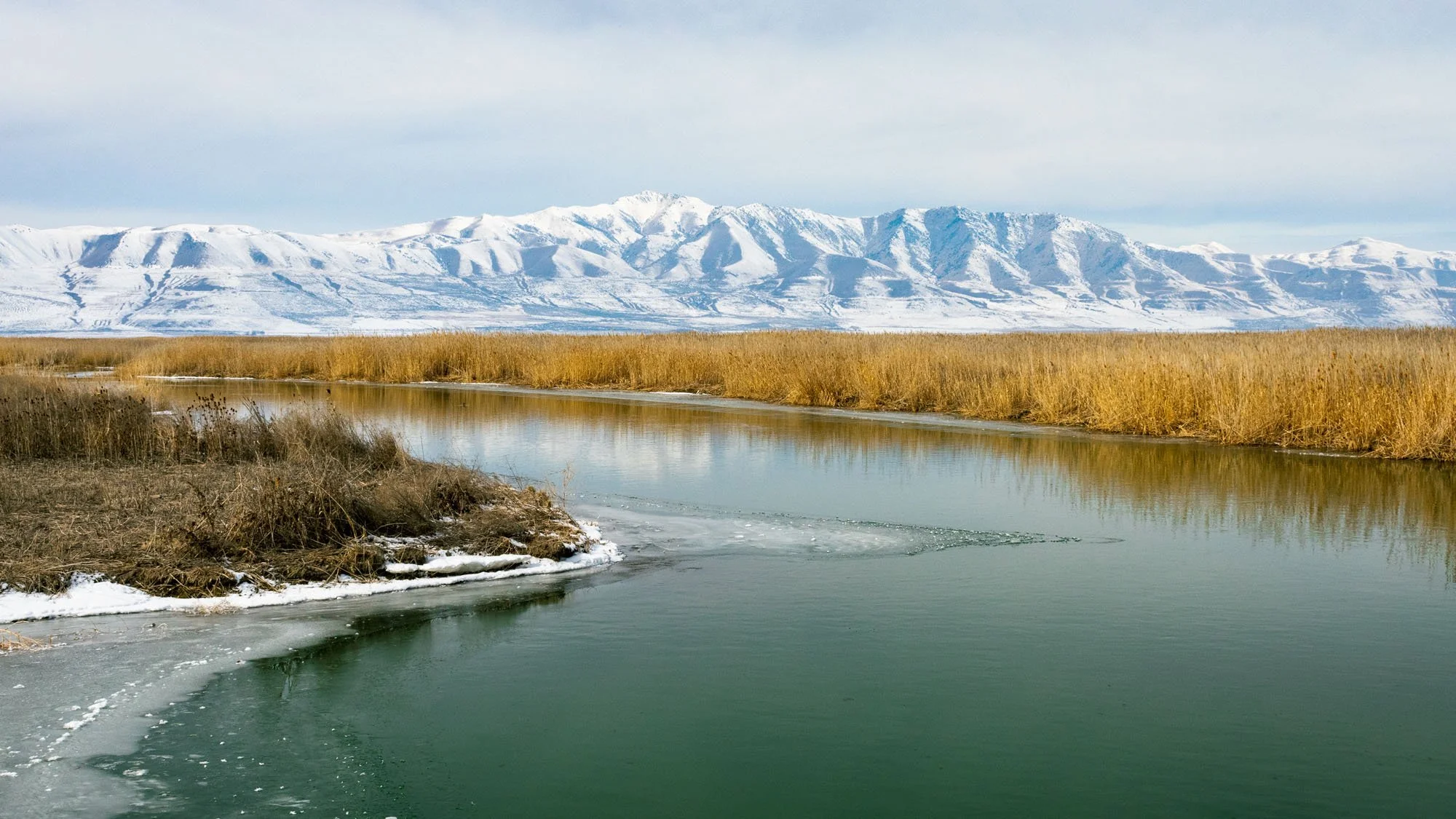
The Bear River accounts for roughly 60 percent of all surface water flowing into the Great Salt Lake. (Photo Adobe Stock)
Most rivers have a destination. The Mississippi empties into the Gulf of Mexico. The Colorado pushes through to the Gulf of California. Even the mighty Columbia finds the Pacific.
The Bear River doesn't find anything — at least not an ocean.
Stretching roughly 500 miles through Wyoming, Idaho, and Utah, the Bear River is the longest river on the continent with no outlet to the sea. It winds north out of Utah into Wyoming, loops west into Idaho, then curves back south into northern Utah — one of the most roundabout routes of any river in the West — before quietly disappearing into the Great Salt Lake at Bear River Bay.
And that's it. No delta. No coastline. No ocean. The water that makes it that far simply sits in the lake until it evaporates.
That fact matters more than it might seem. The Bear River accounts for roughly 60 percent of all surface water flowing into the Great Salt Lake. What happens to the Bear — how much snow falls in its headwaters, how much is diverted for farms and cities along the way — determines more about the lake's fate than almost any other single factor.
For a river that never reaches the ocean, it carries a lot of weight.
➡️ Sources: U.S. Geological Survey; Great Salt Lake Hydro Mapper, USGS; National Audubon Society.
➡️ Mountain & Main Magazine utilizes AI tools for research assistance and draft development. All content is reviewed, fact-checked, and edited by our editorial team.