Unbroken: The Beautiful, Messy Reality of the Kotter Family
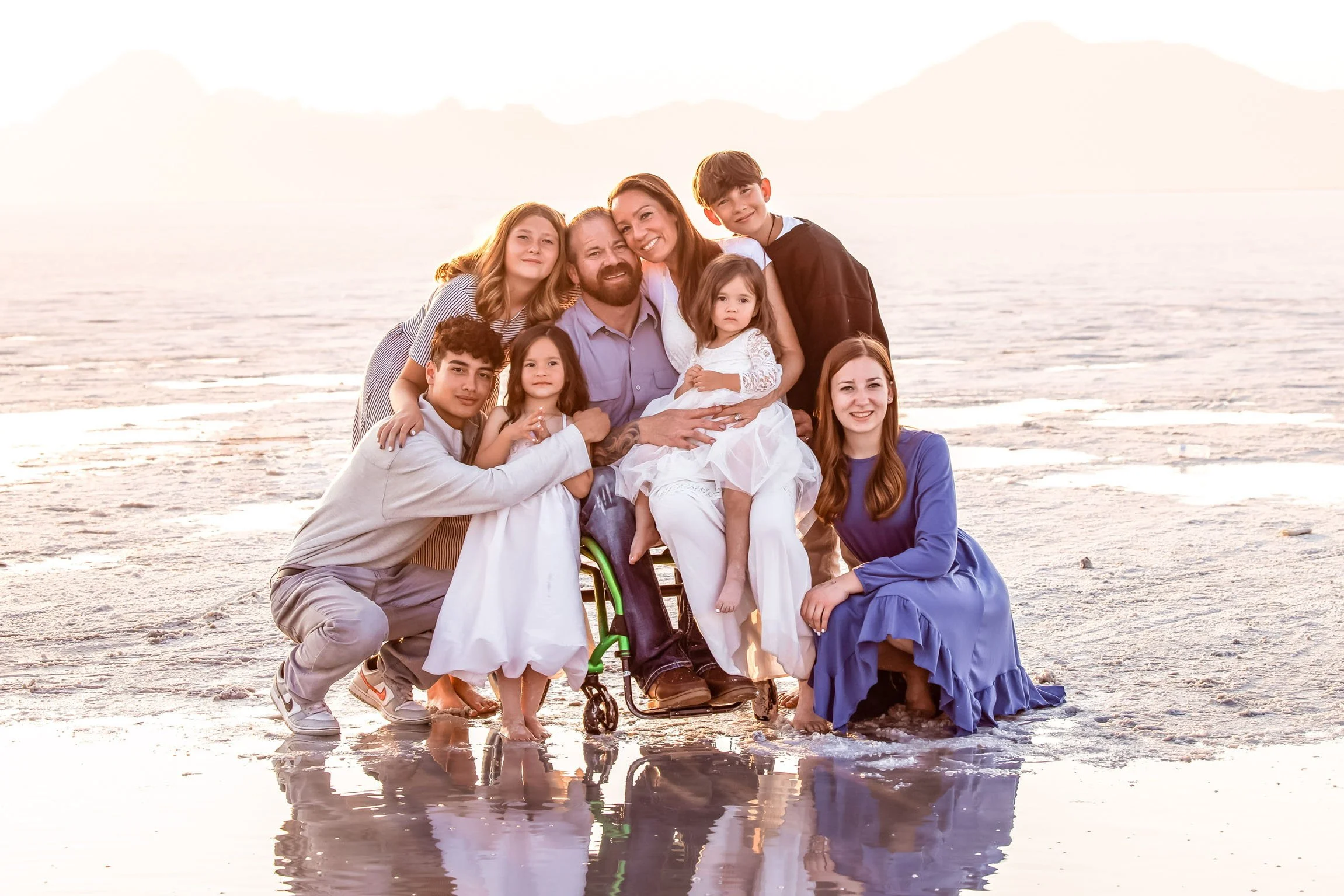
How a West Haven family built a digital empire on raw truth, sawdust, and an absolute refusal to quit.
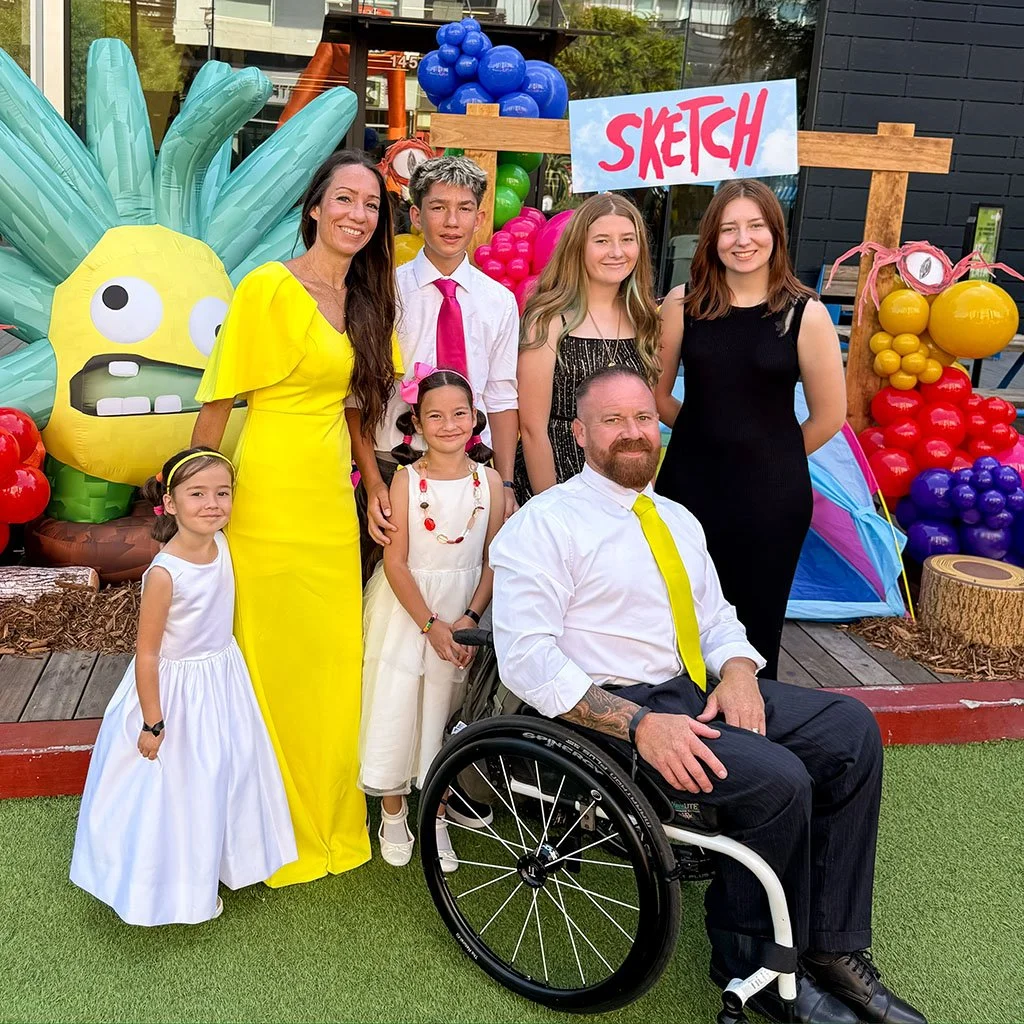
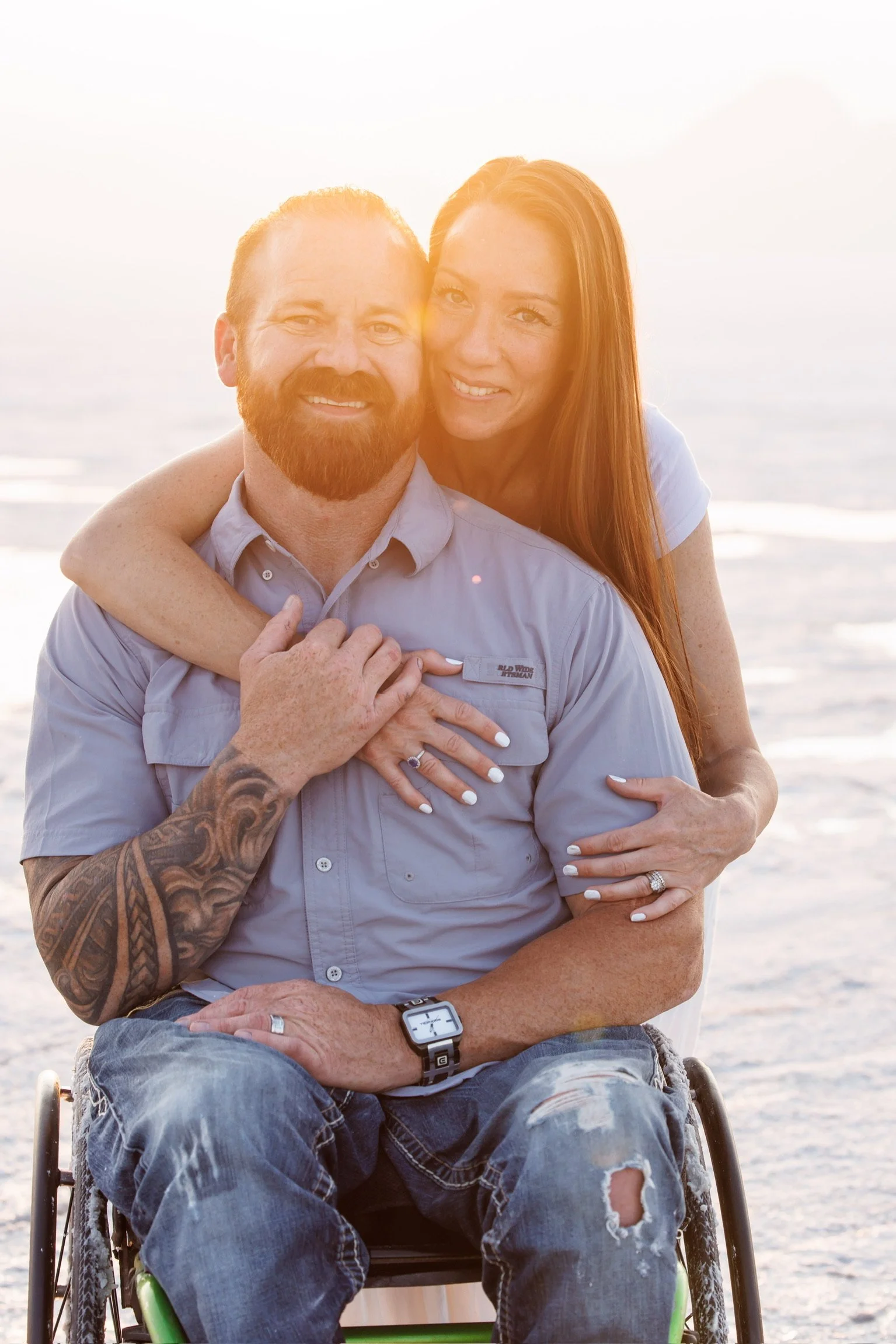
Online, millions know them as @thewheelchairdad, a husband-and-wife team sharing the real-life challenges and victories of raising 6 children while navigating disability. Dan Kotter, paralyzed from the waist down, and Andrea Kotter, living with Multiple Sclerosis, have built a life, and a platform, rooted in honesty, resilience, and the daily choice to keep going despite bodies that don’t always cooperate. The pair manage medical realities that would sideline most people permanently. And yet, they don’t give up. They keep going, balancing it all in a household that never slows down.
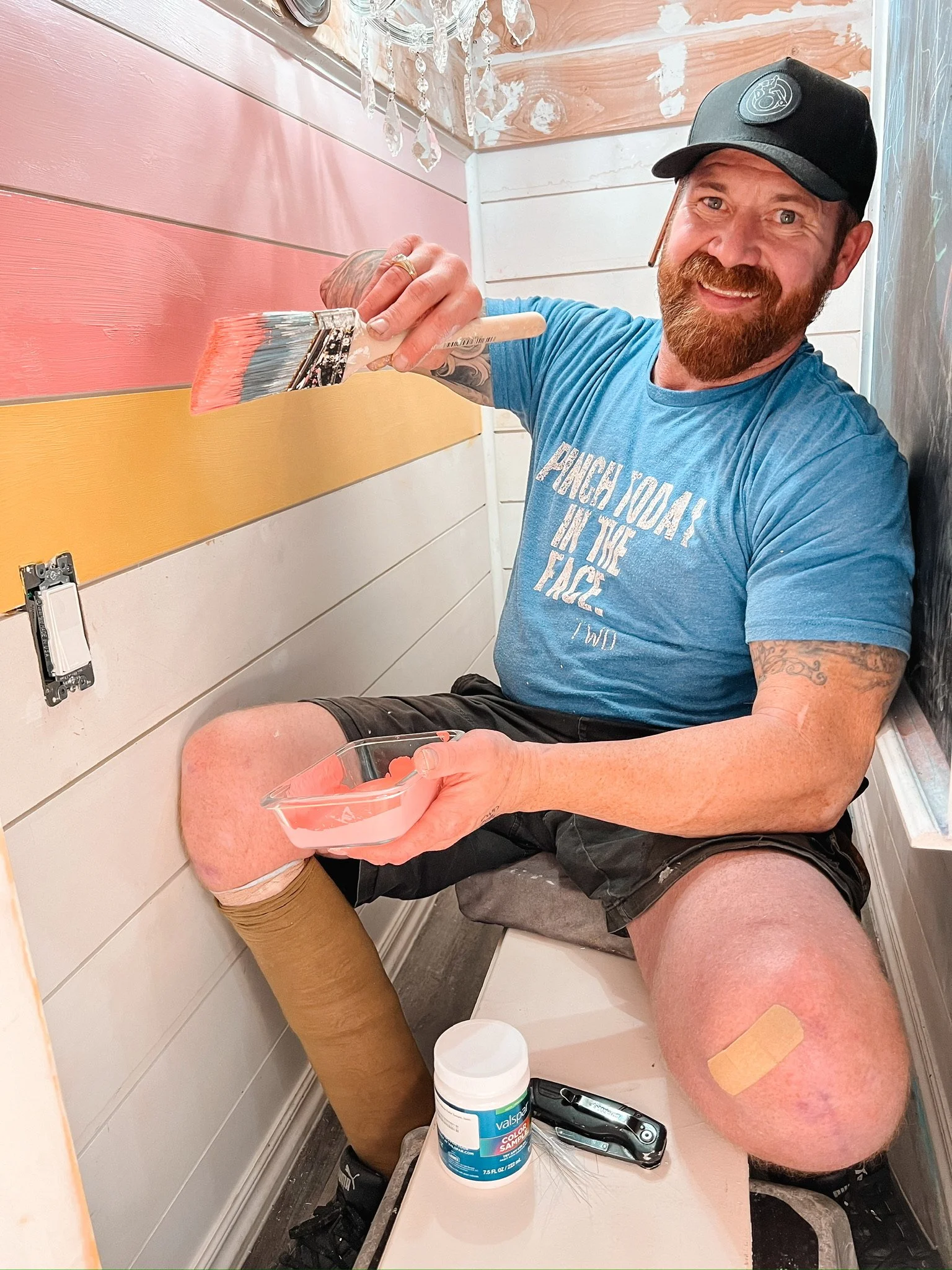
The Kotter Home: More Than a Following
The Mountain & Main family drove up to spend Easter with the Kotters this year. When you knock on the door of a family with over 2.9 million internet followers, you instinctively brace yourself for a production. Ring lights. Tripods. The performative hum of a content machine running at full speed. But the Kotter home is nothing like this. There was no content schedule waiting for us. No phones perched and recording. There was only real life combined with the smell of homemade crepes and sound of happy, grounded children, running and playing in their own backyard. What fills the Kotter house is something far more valuable than internet fame; warmth, deep faith, and the beautiful, unhurried joy of a family that has made a deliberate choice to put each other above everything else.
The warmth you feel inside their home becomes even more meaningful once you understand the sorrow that came before it.
There was only real life combined with the smell of homemade crepes and sound of happy, grounded children, running and playing in their own backyard.
Andrea’s Foundation: Growing Up Military
For Mountain & Main co-publisher Meredith Tebbs, walking through the Kotter door isn't a media visit, it's an overdue reunion with her dearest friend. Meredith and Andrea have been best friends since their sophomore year of high school in Germany where both of their fathers were stationed on military assignment at Ramstein Air Force Base.
For Andrea, growing up in a military family meant movement was constant and stability was something you learned to create from within. New schools, new countries, new communities, sometimes with little notice and no guarantee of familiarity. Each move required her to adapt quickly and find her place without the comfort of time.
These lessons became the framework she would later rely on when her life shifted overnight.
Dan’s Foundation: A Life Built on Strength
Before the wheelchair, Dan’s life revolved around raising his two young daughters while navigating careers in both construction and law enforcement. He began in construction at 17, learning through long days and hands-on experience, quickly developing a deep respect for the craft. Over time, that passion turned into something more substantial, eventually leading him to run his own construction business.
In his late 20s, he entered law enforcement in an effort to provide greater security for his family. The work was intense and often unpredictable, requiring composure under pressure and the ability to make decisions in moments most people would avoid.
Still, his life had a rhythm to it; early mornings, long workdays, and evenings anchored in family and routine. It wasn’t perfect, but it was steady. Predictable in the best way.
Until it wasn’t.

The Catastrophes That Rewrote Everything
In August 2013, two separate catastrophic events unfolded less than 24 hours apart, permanently altering both of their lives, and placing two strangers on a path that would lead them to each other.
Andrea’s Breaking Point
On August 6, 2013, Andrea’s husband at the time was involved in a devastating motorcycle accident coming over the mountain from Alpine into Draper. Traveling at over 100 miles per hour without a helmet, he crashed and sustained a severe traumatic brain injury. He was rushed into emergency care, where he would remain in a coma for a month and a half. During that time, machines kept his body alive while Andrea lived between hospital rooms and home, caring for their two young boys, living hour to hour, not knowing if the man she had built a life with would ever come back.
When he finally woke, the outcome was not what anyone had hoped for. The neurological damage had erased his memories of their life together. Their marriage. Their family. All gone. His level of cognitive and physical impairment would require permanent, full-time care in a specialized facility. Her husband, and everything they had been together, was gone.
With the loss of her husband and marriage came another reality: Andrea was now raising their two young boys as a single mother, while quietly battling her own diagnosis of Multiple Sclerosis, an unpredictable neurological disease that affects mobility, energy, and long-term health.
Dan’s Fall
Less than 24 hours later and just miles away, Dan was standing 35 feet in the air on the roof trusses of a house he was helping a friend build. What began as a subtle shift turned into a rapid, cascading collapse, a domino effect of improperly braced trusses giving way beneath his feet. In the seconds that followed, Dan remembers taking a few steps attempting to regain his balance, but there was no recovery.
Dan fell 35 feet to the concrete garage floor below. He landed flat on his back, his tool belt still in place and a hammer positioned along his spine.
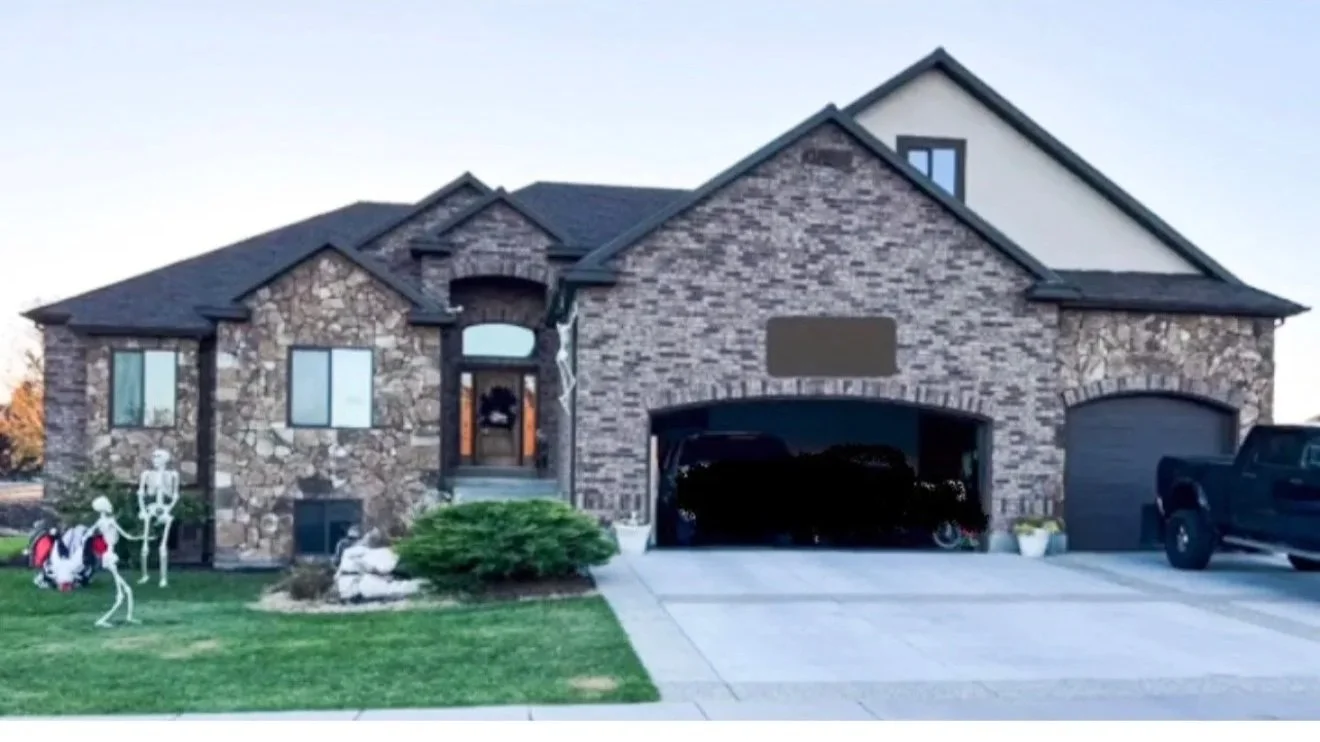
The home Dan was building on the day of the accident
The injuries were catastrophic:
A fracture at the C1 vertebra at the base of his skull
A burst fracture at L1
Complete destruction of multiple sacral vertebrae (S2–S4)
A shattered pelvis
A collapsed lung
A torn spleen
Dan was initially taken to Ogden Regional Hospital, where he waited several days for surgery, a delay that would prove critical. His mother fought to have him transferred to the University of Utah, where he was finally rushed into immediate surgery.
In those early days at Ogden Regional, there was hope. He had retained some movement in his toes. But by the time he was transferred and underwent surgery, that movement was gone. The final diagnosis was permanent paralysis from the waist down.
And beneath that diagnosis, something even more relentless: severe, chronic nerve pain. In the months following his injury, Dan developed Adhesive Arachnoiditis, a severe and progressive condition caused by inflammation and scar tissue forming around the spinal nerves. Instead of moving freely, the nerves begin to clump together and adhere, disrupting how signals travel through the body. The result is constant, often debilitating nerve pain.
Dan survived the fall, but survival came with a cost: He was now a single dad raising two young daughters, paralyzed from the waist down, facing a lifetime of agonizing nerve pain.

Where Their Stories Intersect
They met in the waiting room of an outpatient physical therapy clinic. Andrea was there facilitating care for her ex-husband. Dan was there learning how to live in a wheelchair. What began as casual conversation grew into something deeper. They fell in love.
Andrea, who holds a degree from BYU in Marriage and Family Development, didn't see a man defined by his injury. She saw a man working with everything he had to master his new reality. And Dan saw in Andrea someone who understood grief without needing explanation. She understood in a way few could because of what she had endured, and because of who she is.
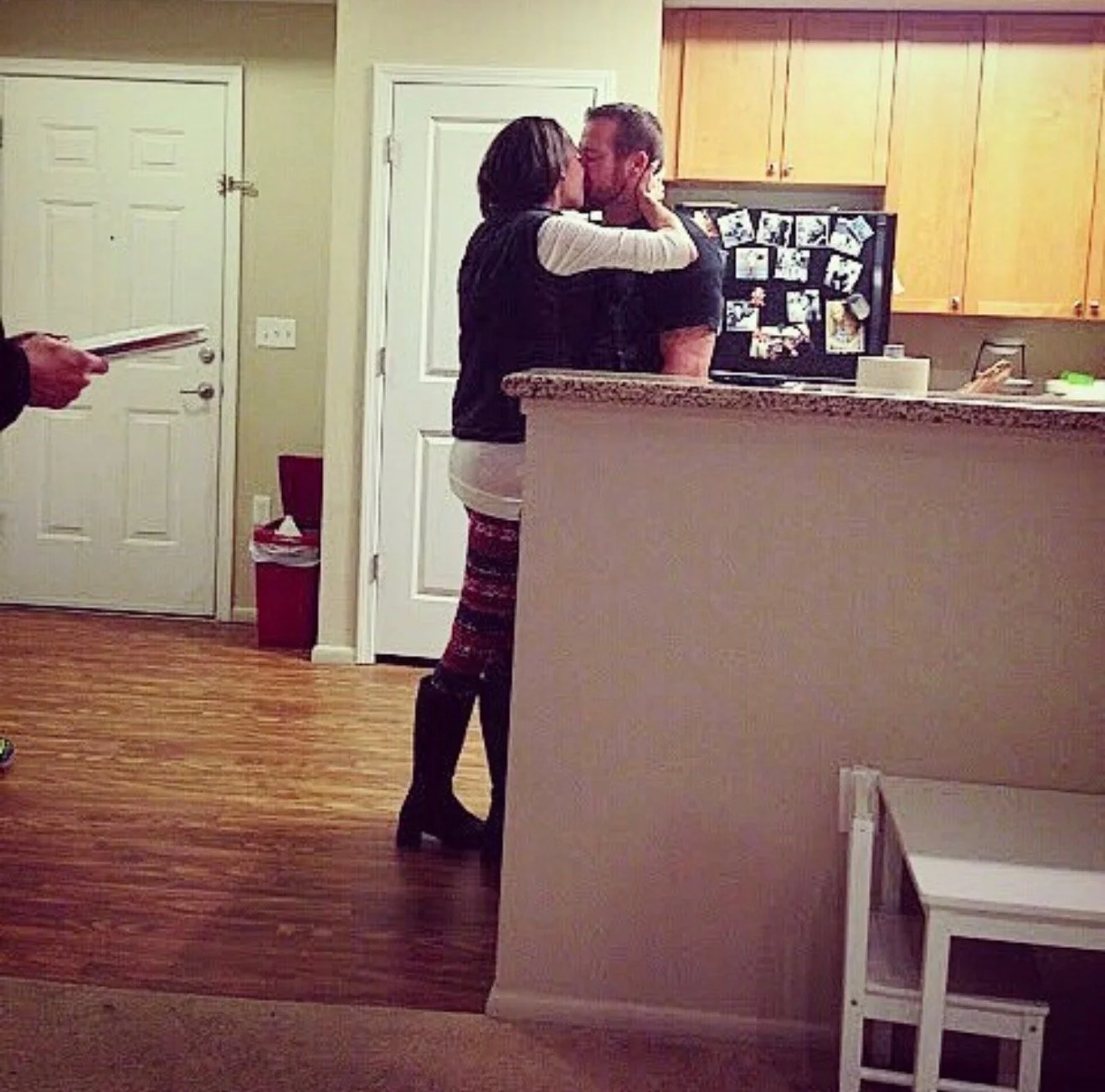
Andrea and Dan getting married in her kitchen at midnight
They married in December 2014 and began building a life together, blending their families into a household of 6 and choosing, day by day, to move forward not in spite of their circumstances, but within them.
She didn't see a man defined by his injury. She saw a man working with everything he had to master his new reality.
From Six to Eight: A Family Rebuilt in Hope
Newly married, Dan and Andrea faced another uncertain chapter in their journey together; starting and growing their family through In Vitro Fertilization (IVF).
Having struggled with fertility in the past, Andrea knew it would be a demanding process, and they both recognized that Dan’s paralysis would complicate it further, but in their hearts, their family wasn’t complete, so together they embraced the challenge; not once, but twice.
IVF was neither simple nor assured. It came with regular appointments, hormone treatments, and long stretches of waiting and uncertainty. Still, it was more than worth it as 6 became 8 with the addition of their two beautiful daughters.
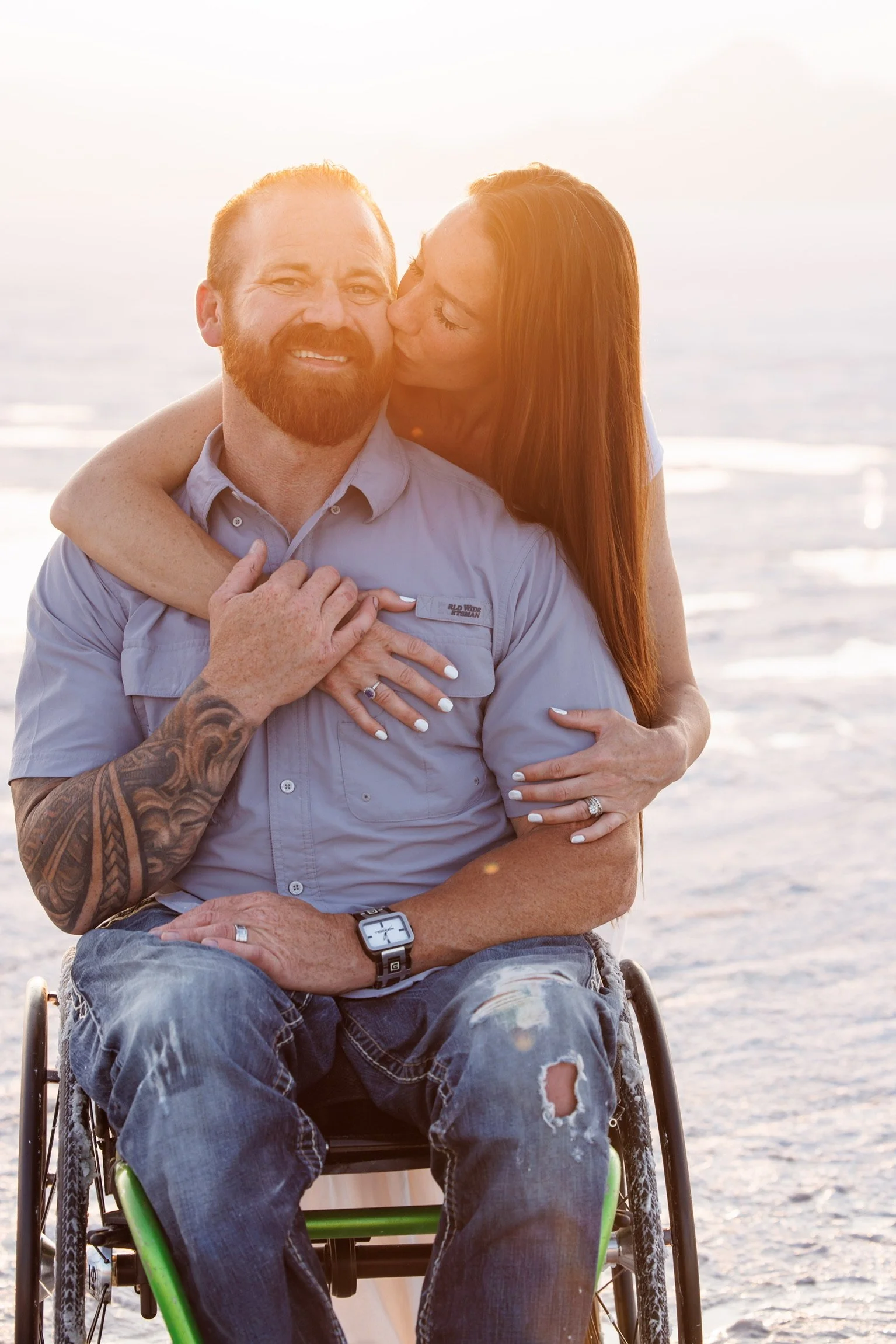
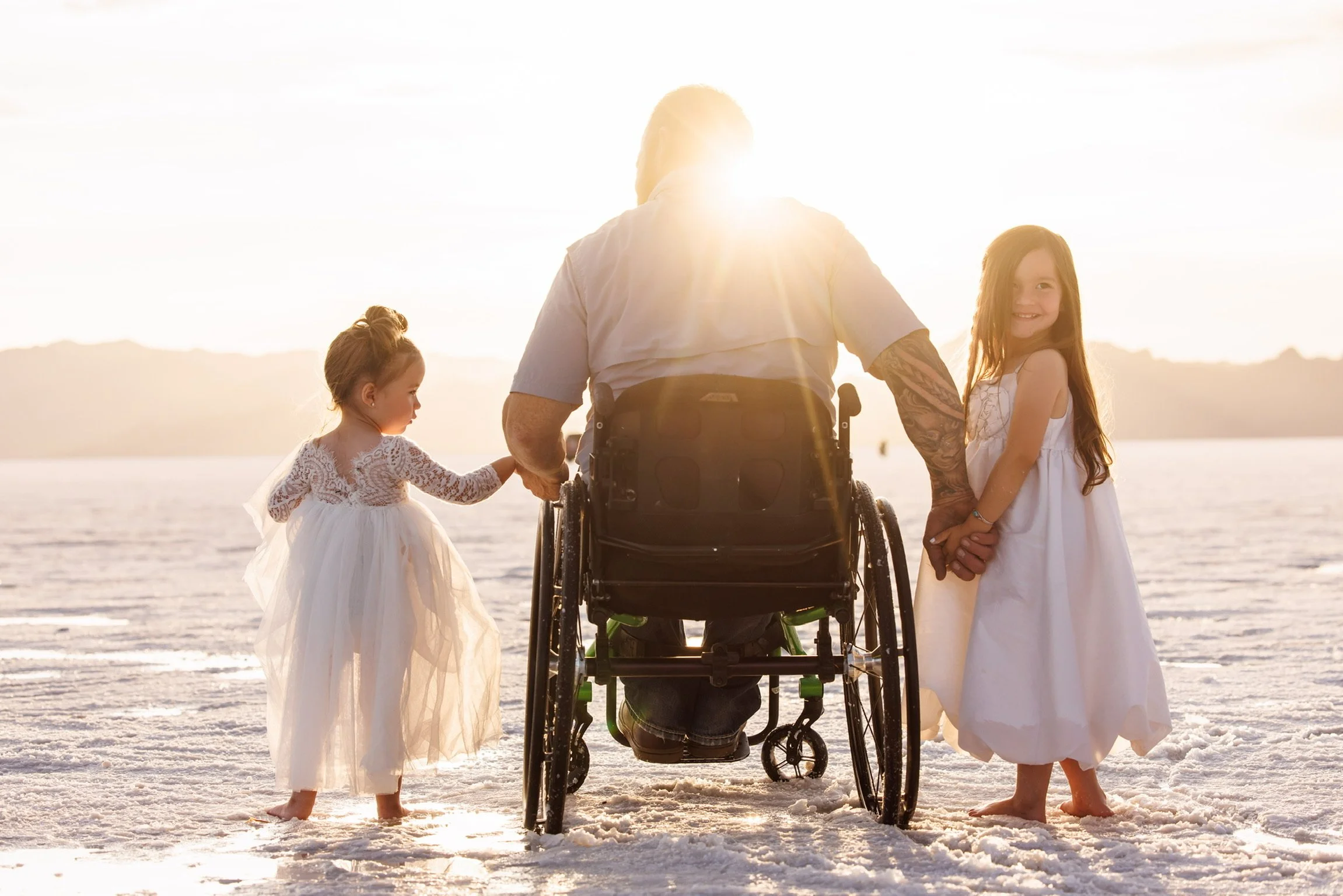
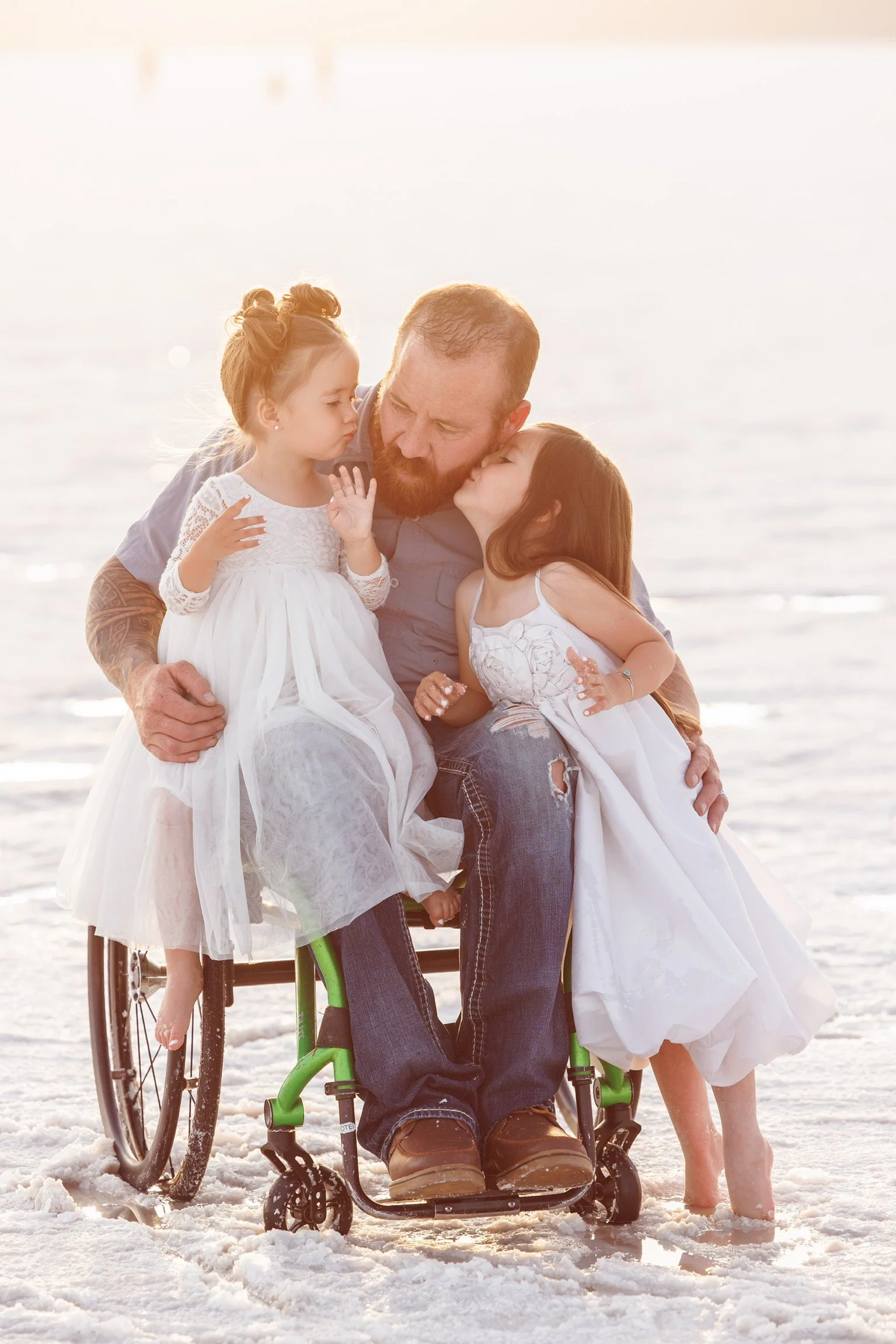
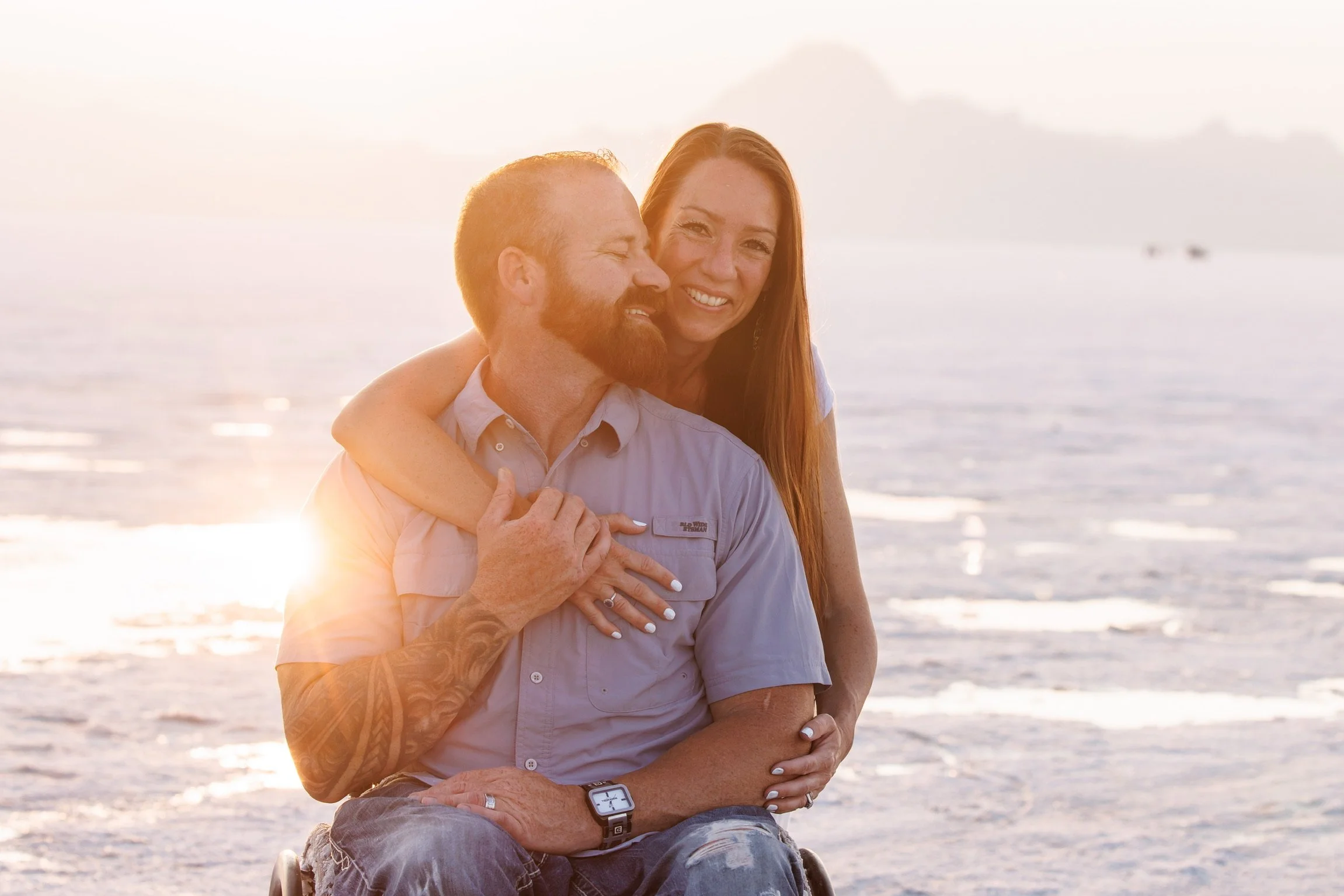
A Father First. A Builder Always.
When the fall took the use of Dan’s legs, the unwritten social script suggested he should scale back; accept a quieter, more limited version of his life. Dan refused the idea. He said no, and kept building.
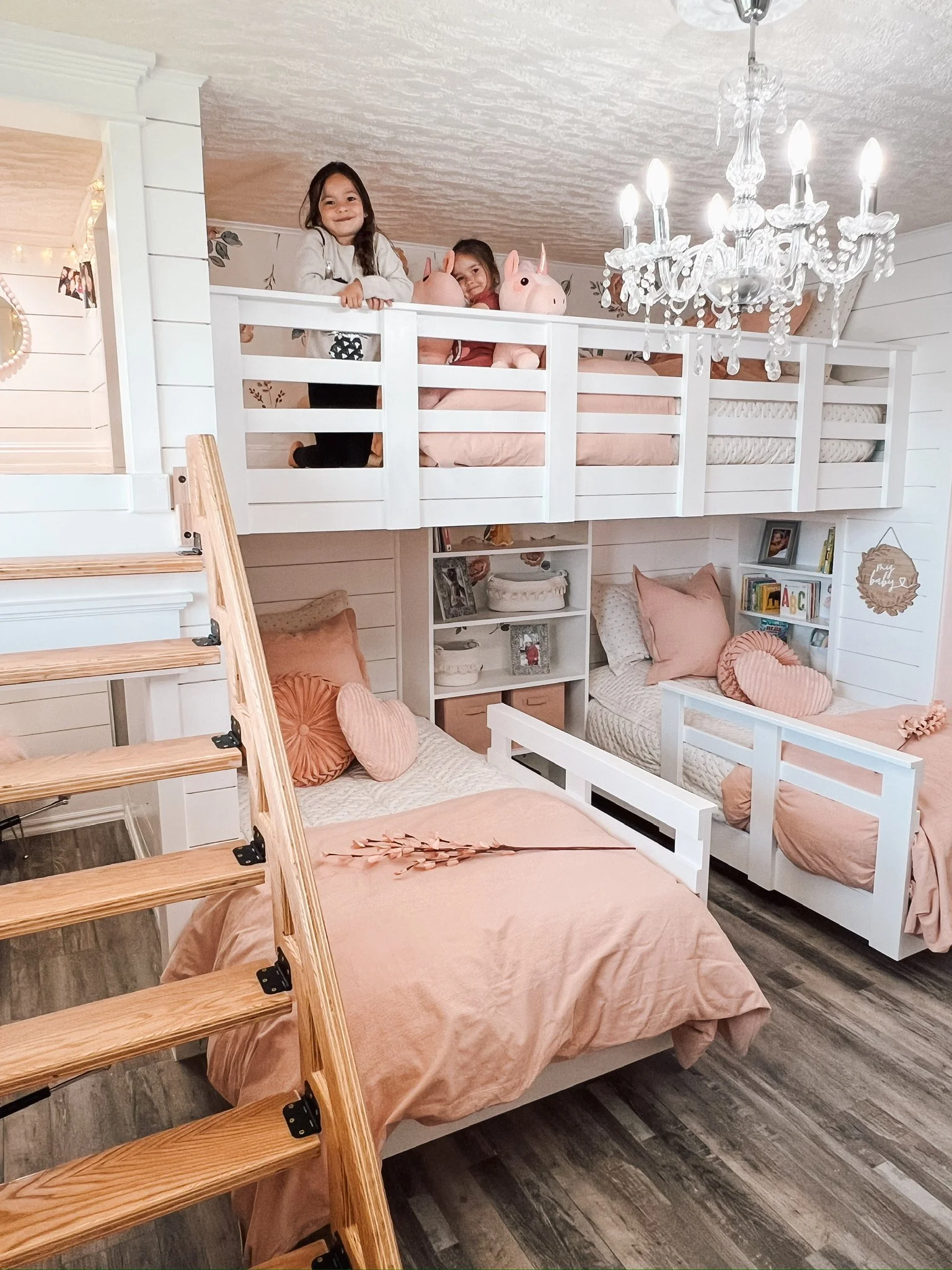
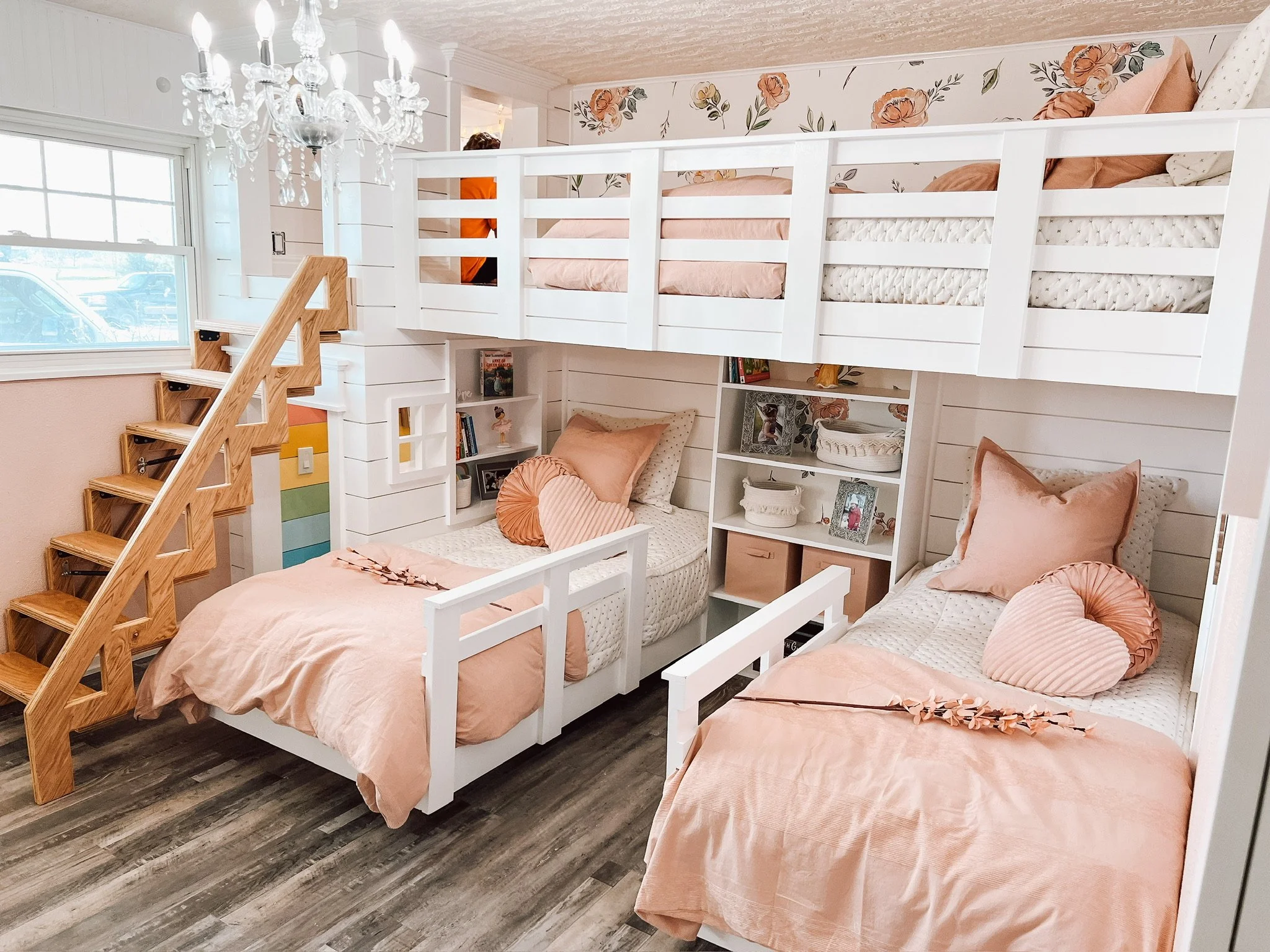
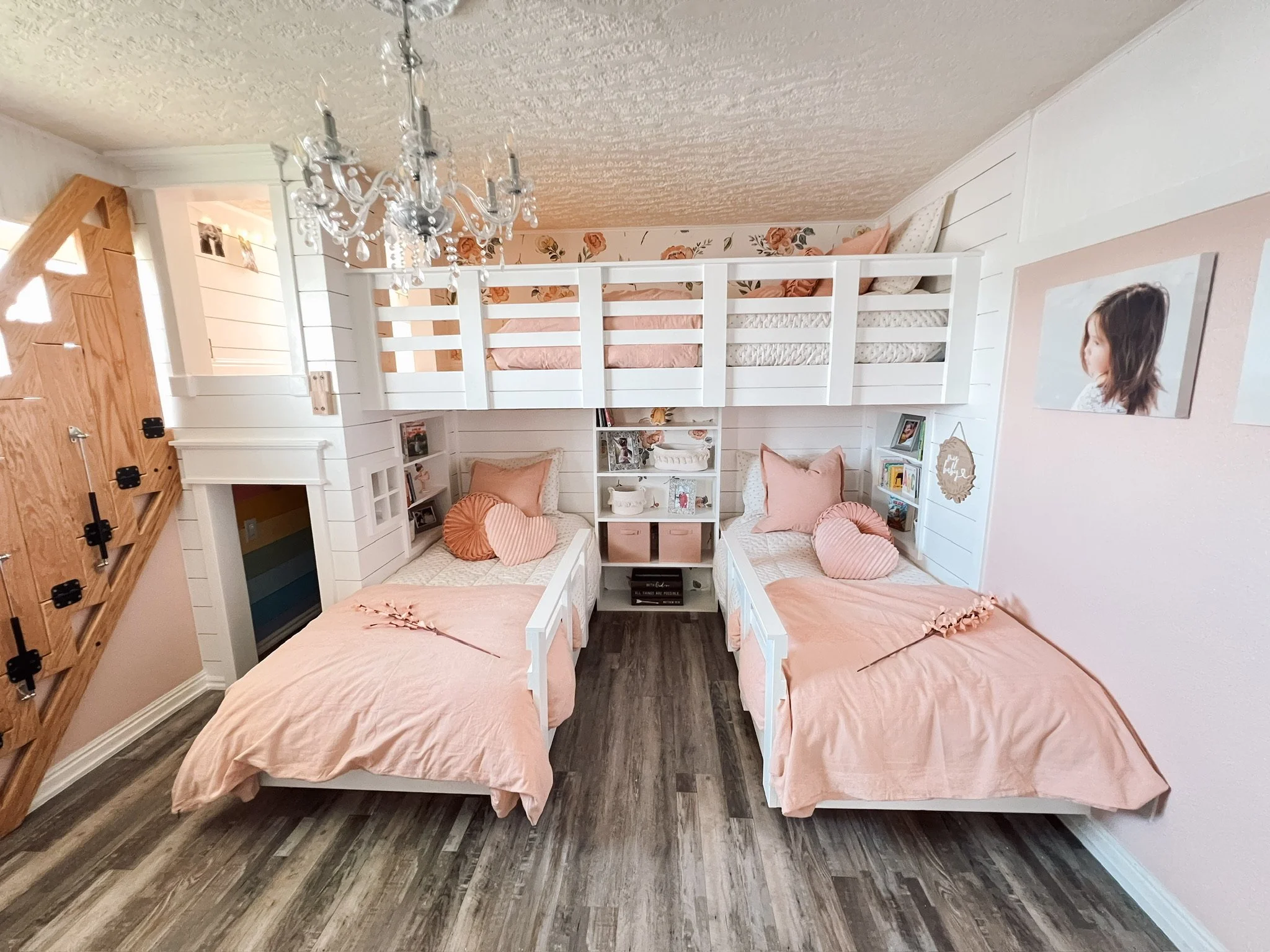
Working under the old law enforcement principle of "Improvise, Adapt, and Overcome," Dan approaches his paralyzed environment not as a dead end but as a problem to be solved. When their four-bedroom home started feeling too small for their family of eight, he didn’t call a contractor. Instead, he set out to solve it himself, spending 12 months building a massive custom triple bunk bed and playhouse for his 3 daughters.
It took Dan nearly a year to complete the project, not only because of its scale and complexity, but because his health repeatedly interrupted the work along the way. Flare-ups, setbacks, and physical limitations meant progress came in short bursts rather than steady momentum. Still, he never walked away from it. He didn’t hand it off or bring someone else in to finish what he started.
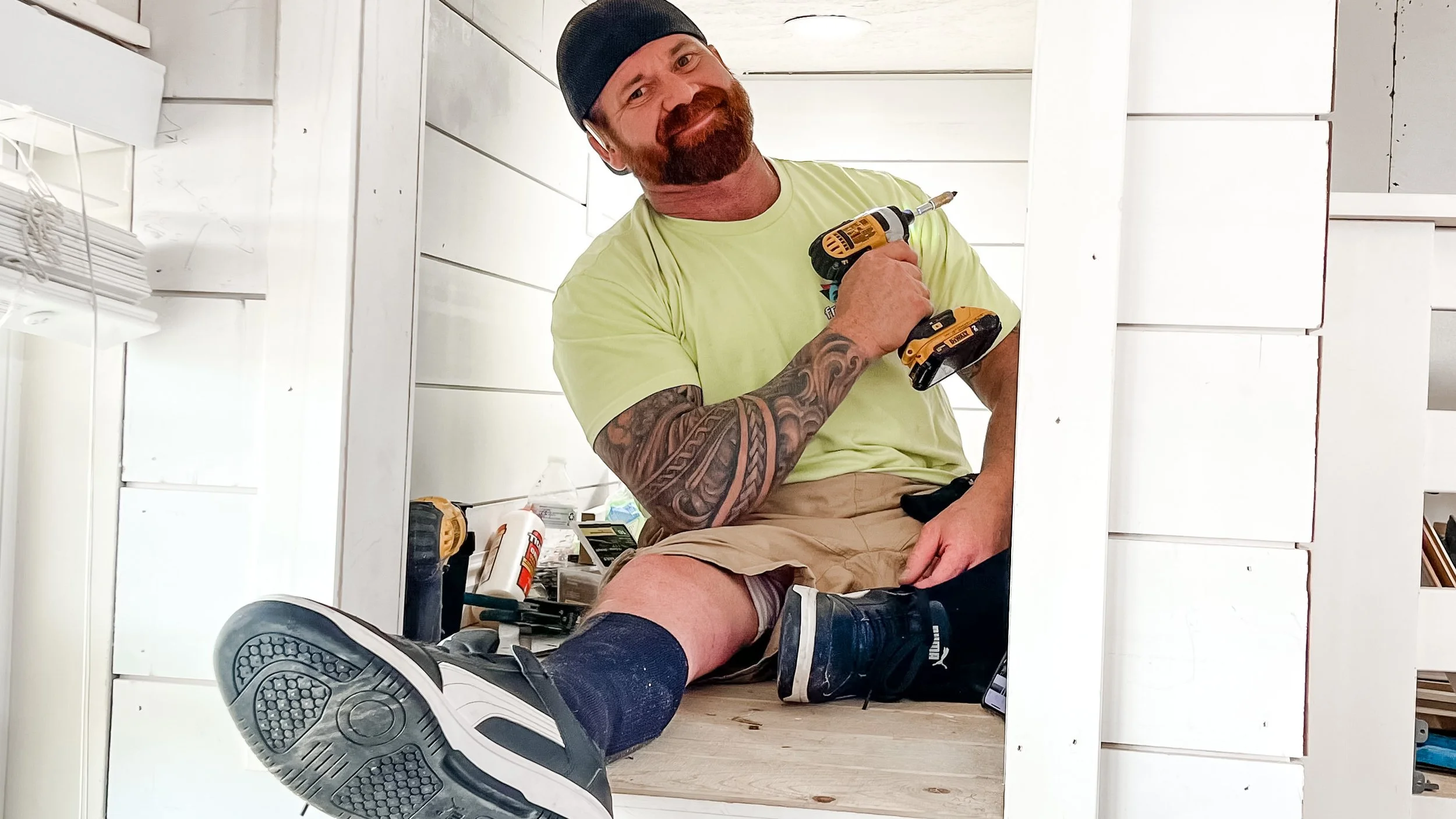
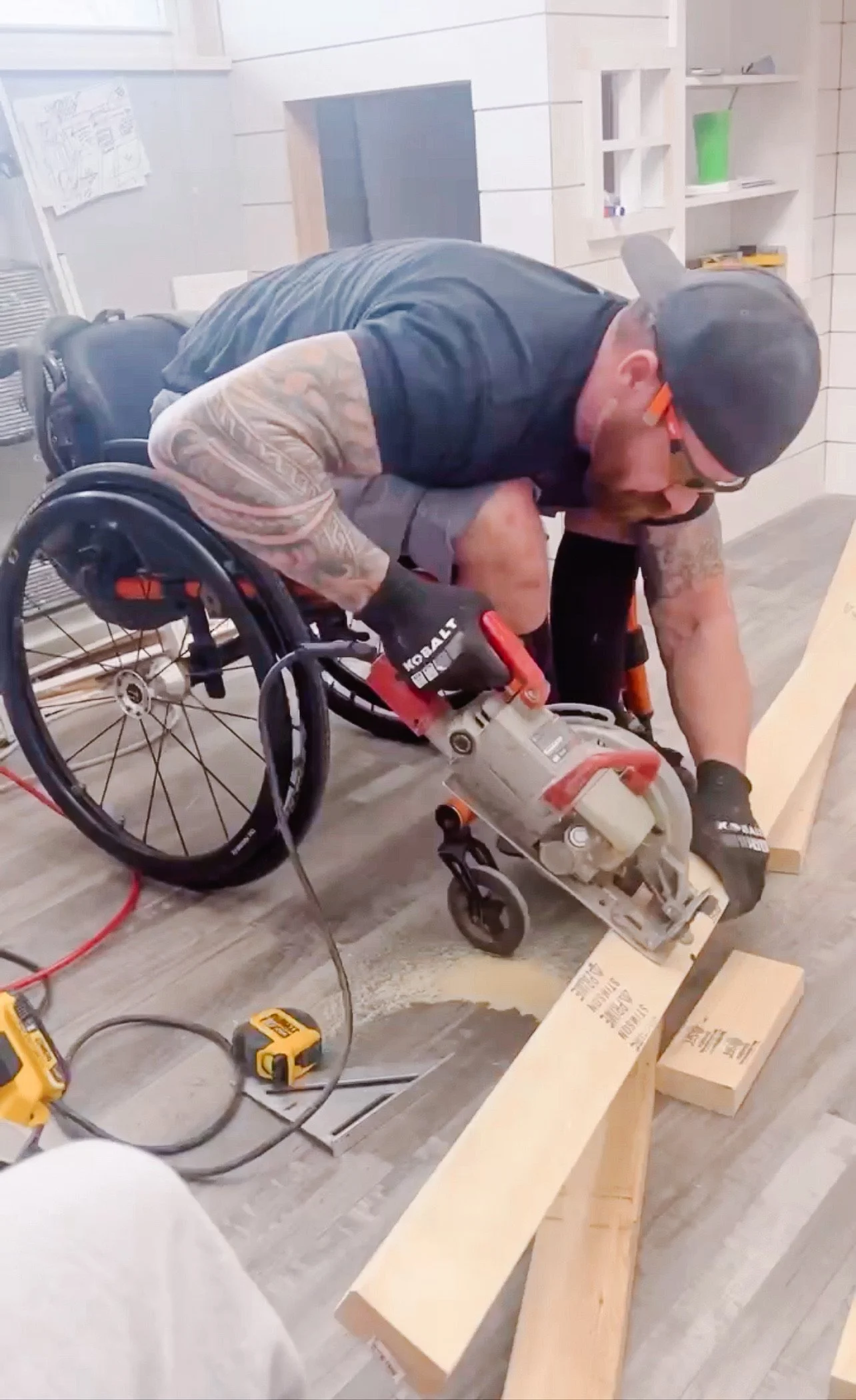
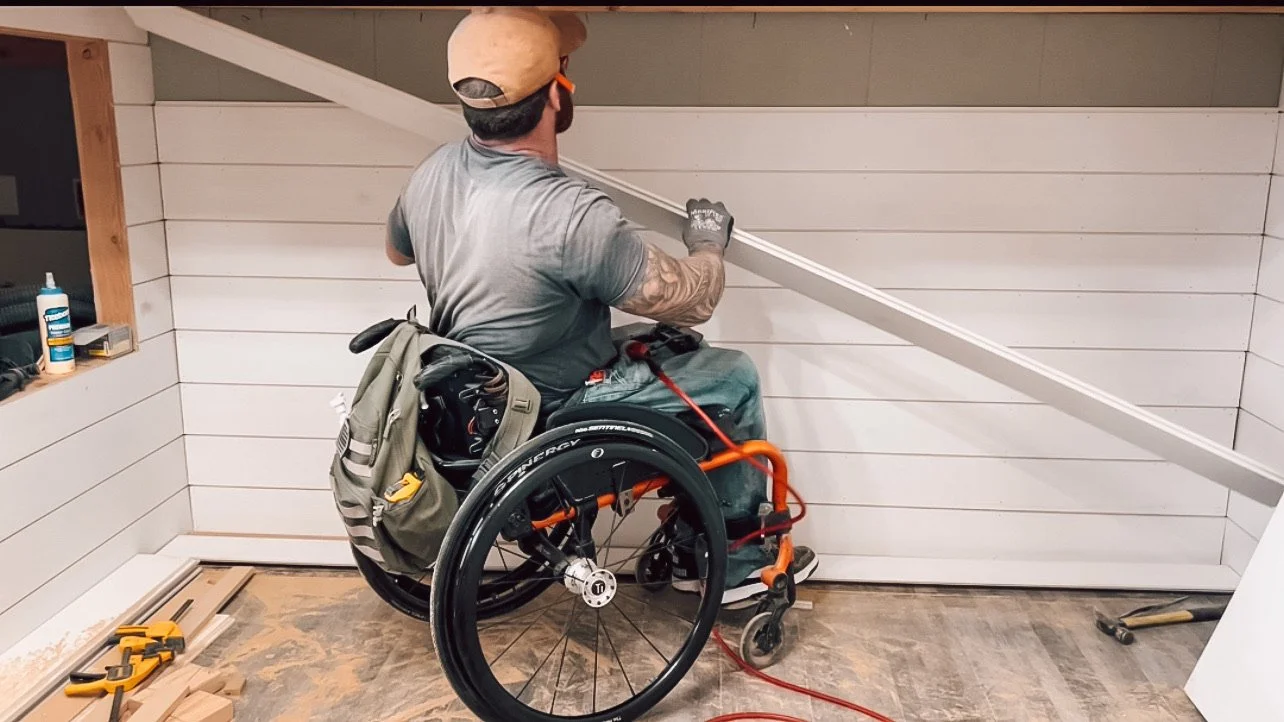
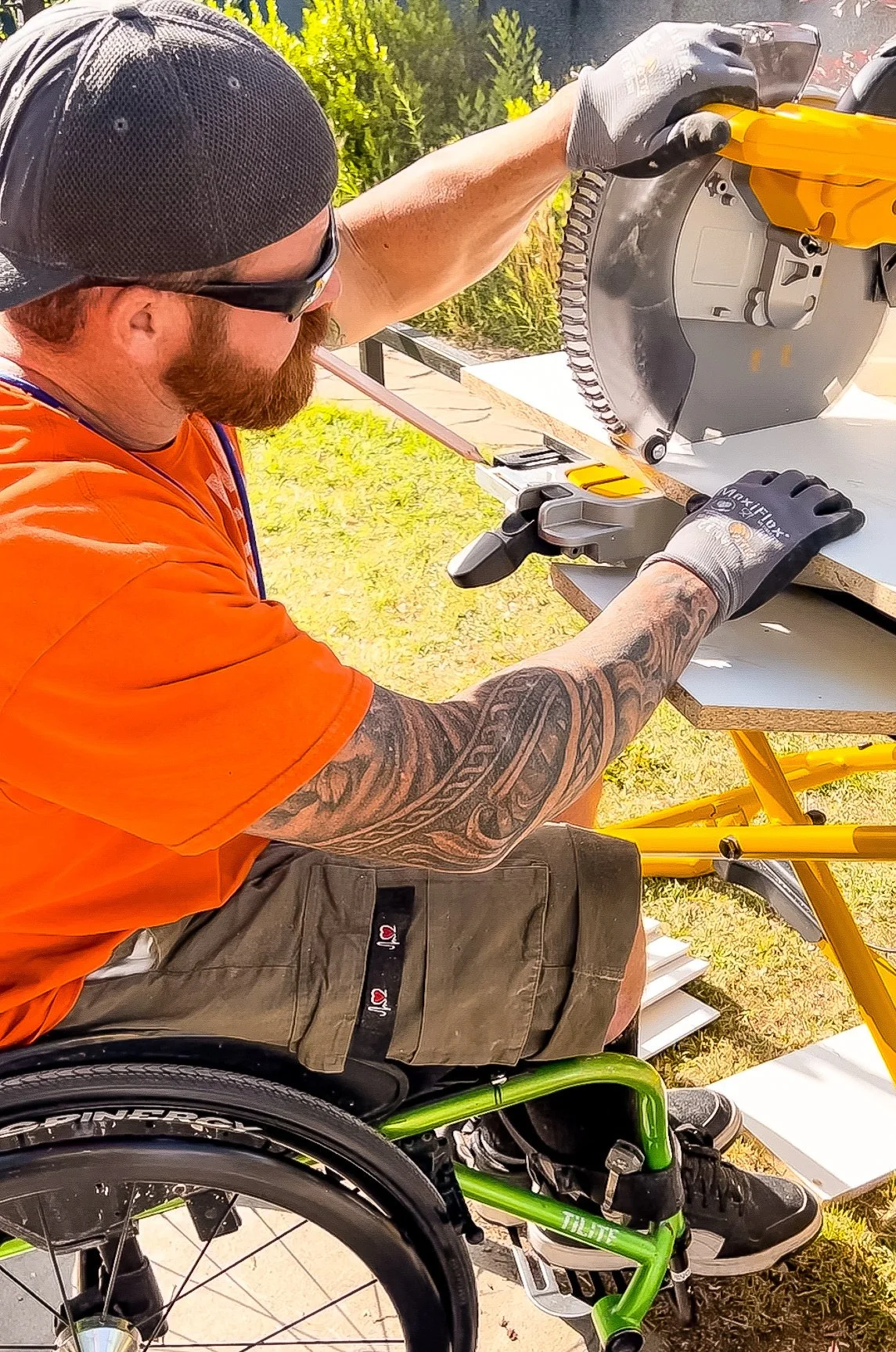
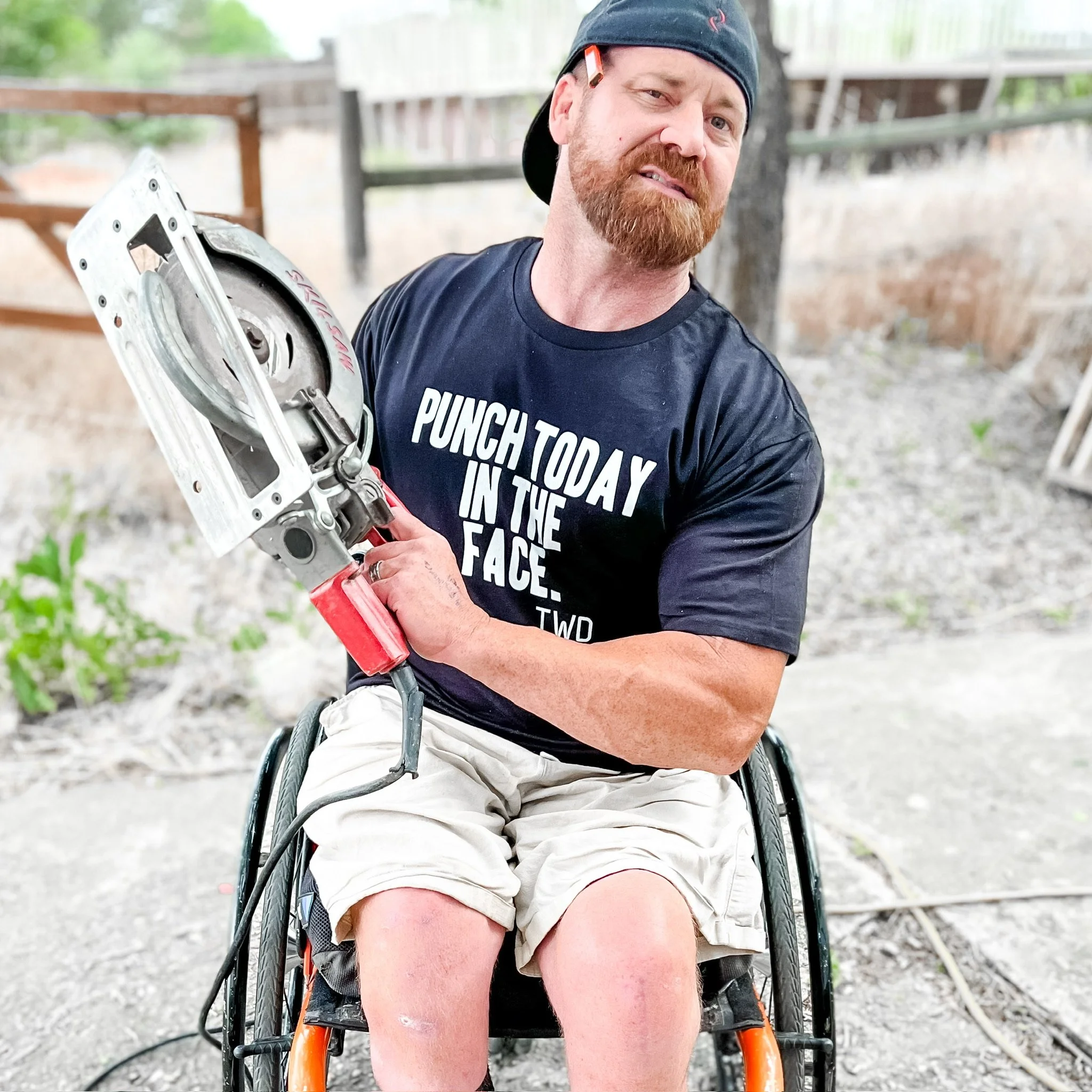
The video documentation of the project is remarkable and has close to 200 million views. It shows Dan pulling himself from his wheelchair when necessary, hauling himself up ladders using only upper body strength, and continuing to build in spaces most would see as inaccessible. From seated, unsteady angles, he runs heavy saws with focus and control, adjusting every step to his physical limits. It is amazing to note the Kotter family has had over 1 billion views in the last 4 years.
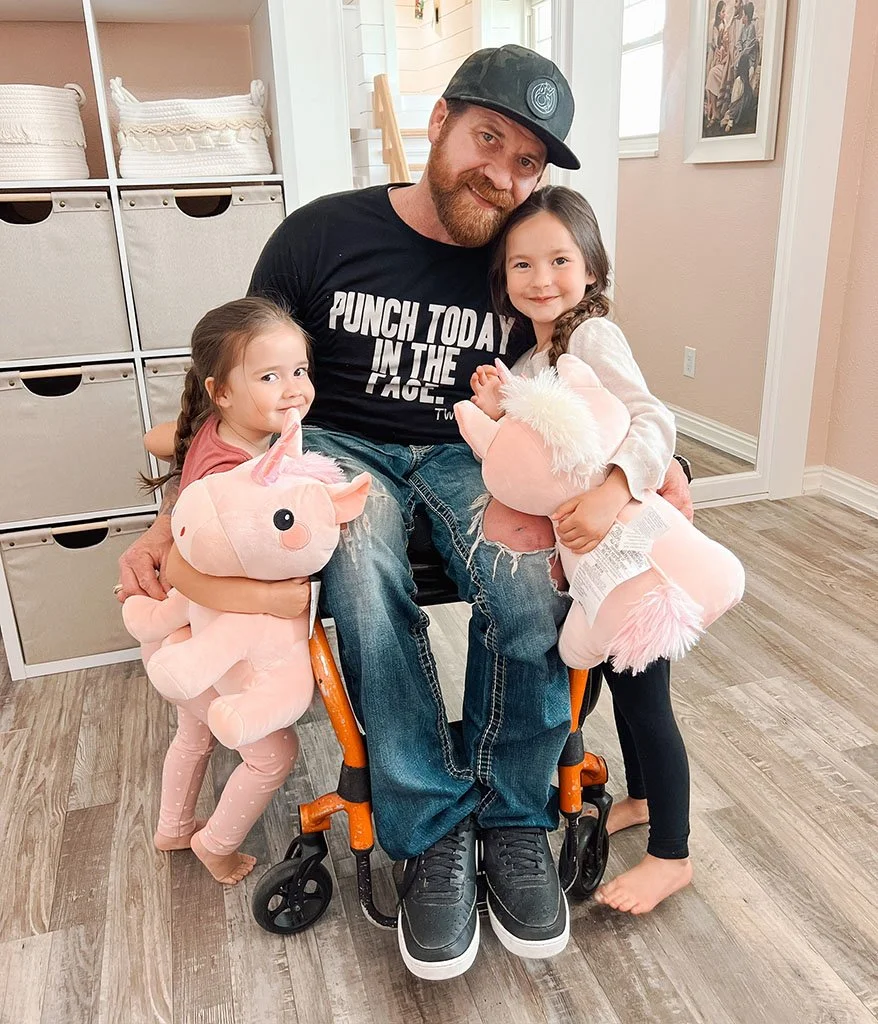
The bunk beds weren’t the end of it. Over the years, Dan has continued shaping their home through a series of thoughtful modifications; working with different companies and taking on projects of his own, including a hidden Murphy Door for added storage and plans for a wheelchair-accessible kitchen sink, designed by Rachiele Custom Sinks, to ease strain on his shoulders and support greater independence. That same determination shows up in how he fathers. When their daughters were babies, Dan would strap them safely into his lap and navigate the house with care, finding ways to stay hands-on in every moment he could. He takes on nearly every night shift when the kids are sick, allowing Andrea the rest she needs, because he knows that consistent sleep is critical in managing her MS symptoms. He also maintains a consistent nightly routine of painting the girls’ nails and braiding their hair. He provides in ways that go beyond convention, and he is fundamentally changing what the world expects a disabled father to look like.
Dan refused the idea. He said no, and kept building.
The Legacy of the Unbroken

The Kotter story recently reached the desk of peak performance expert Ed Mylett, who featured the family on his widely-followed podcast. The conversation centered on a question worth sitting with:
What if your greatest setback became your biggest calling?
Dan and Andrea have answered that question with how they live and what they share online. But the Kotters don't post polished, aspirational content designed to make people feel inadequate. They post the truth, including the parts that are hard to look at.
When Dan first went looking for examples of life after paralysis, what he found didn’t help. The content that existed felt distant at best and discouraging at worst. There were very few real glimpses into what daily life actually looked like, even fewer examples of someone building, parenting, and continuing forward in a body that no longer worked the way it once had. (Good Morning America)
So they decided to become what they couldn’t find. What began as simple posts slowly grew into something intentional; a window into a life that is not polished, not staged, and not filtered to remove the hard parts. Together, Dan and Andrea have built a platform rooted in honesty, one that shows both what’s possible and what it actually costs.
Because for them, the purpose has never been to impress people. It’s to reach them. They share the wins, the builds, the milestones, the moments that feel triumphant. But just as intentionally, they share the setbacks, the hospital rooms, the uncertainty and the days when progress stalls or disappears altogether. Not for sympathy, but for connection. Because they know what it feels like to sit on the other side of the screen, searching for something, anything, that tells you your life isn’t over.
Dan has said that one of the driving forces behind their platform is to show people that a full life is still possible; that disability, trauma, or chronic illness doesn’t mean the end of purpose or joy. (90proofwisdom.com). And Andrea has carried that same mission into how they tell their story. They don’t hide the reality of what they’re navigating. They document it and share it, hoping it reaches people who need to know they’re not alone.
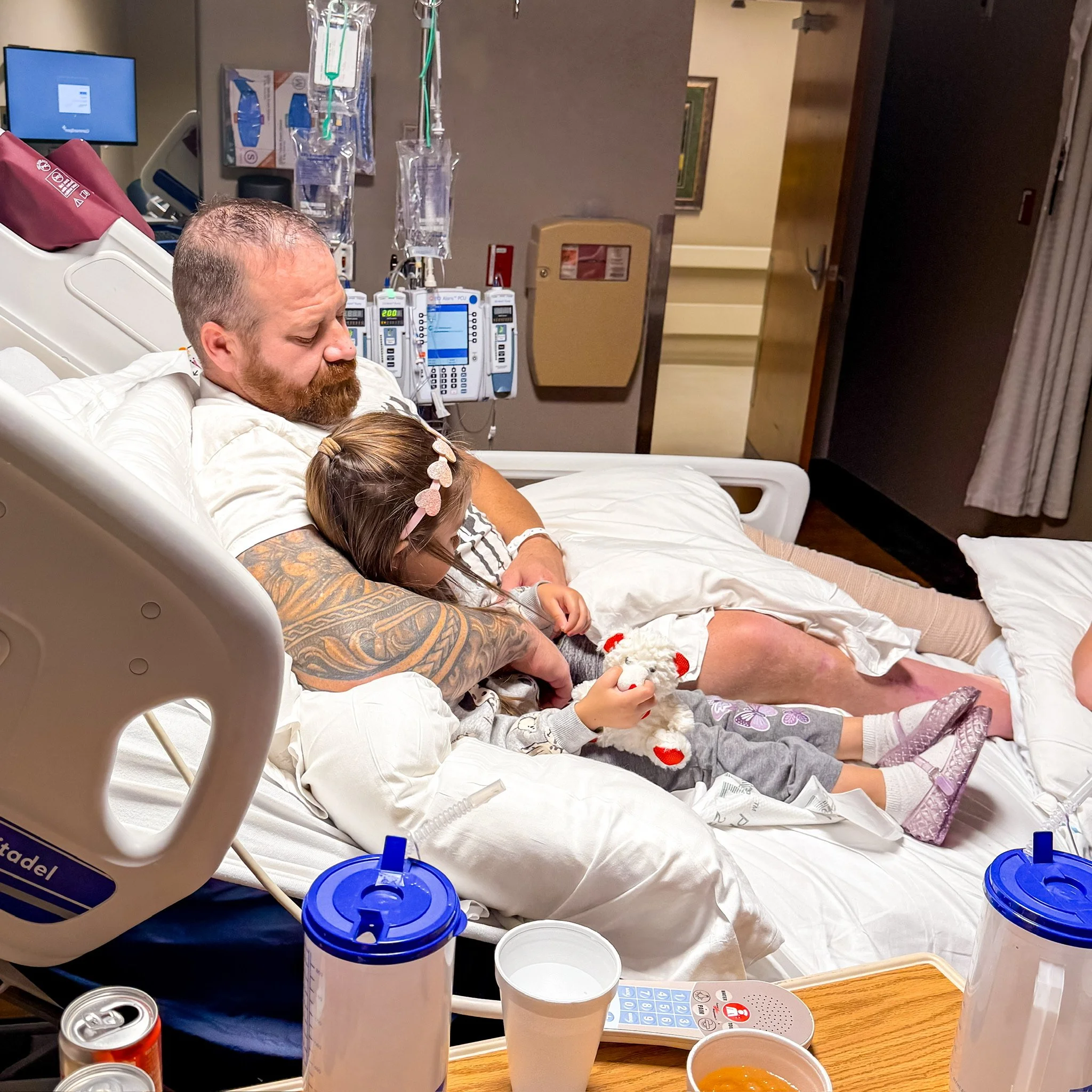
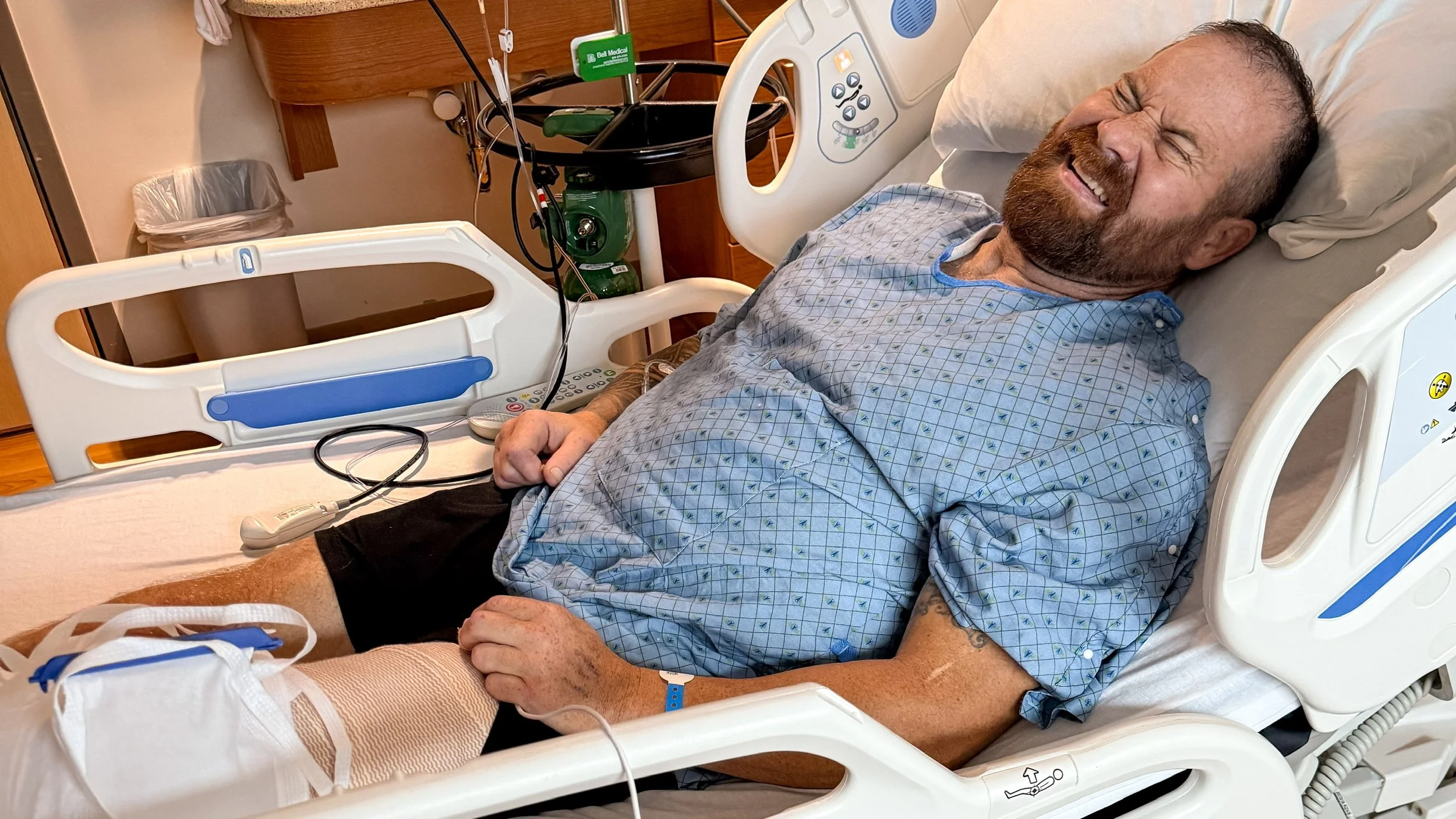
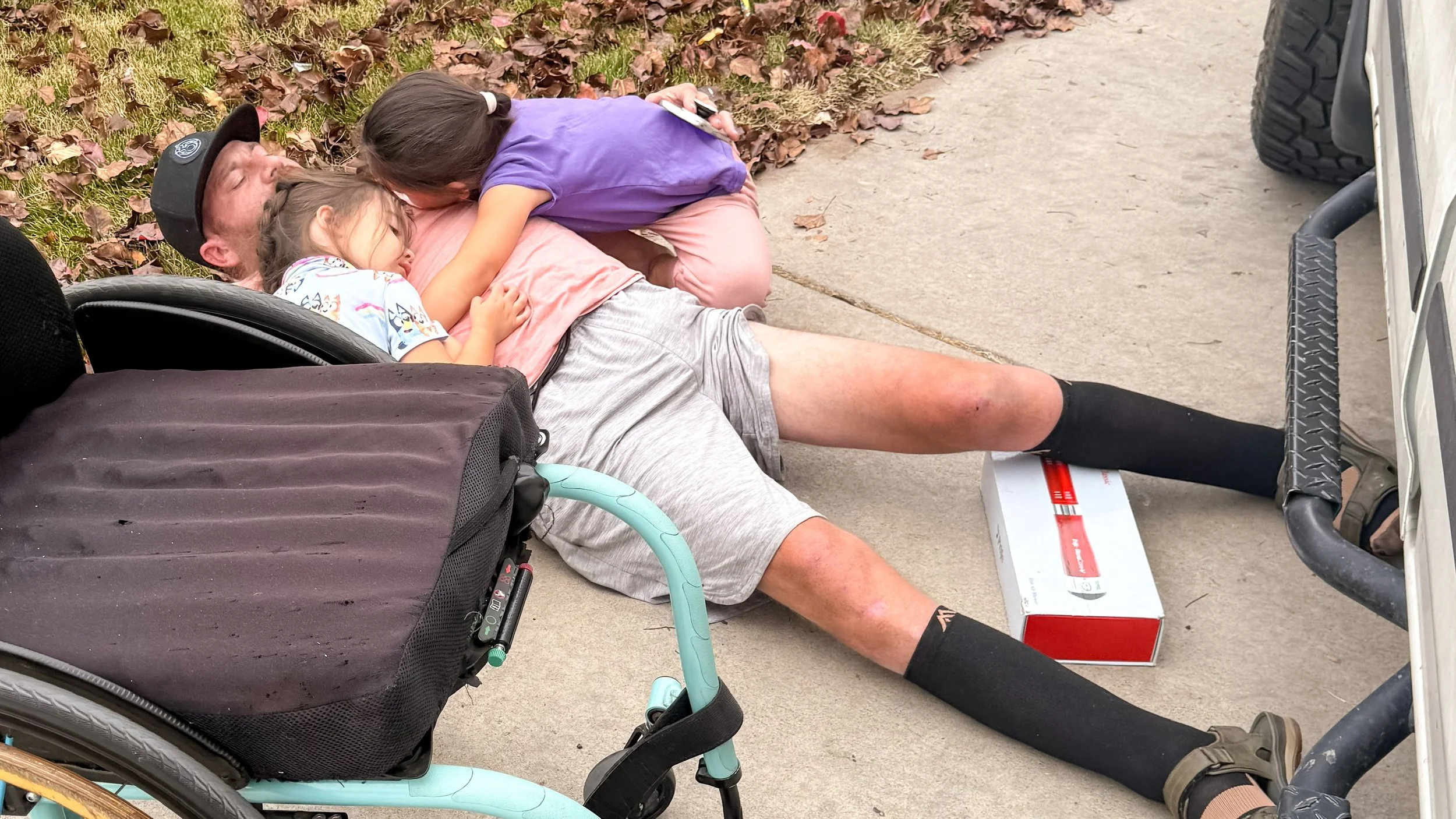
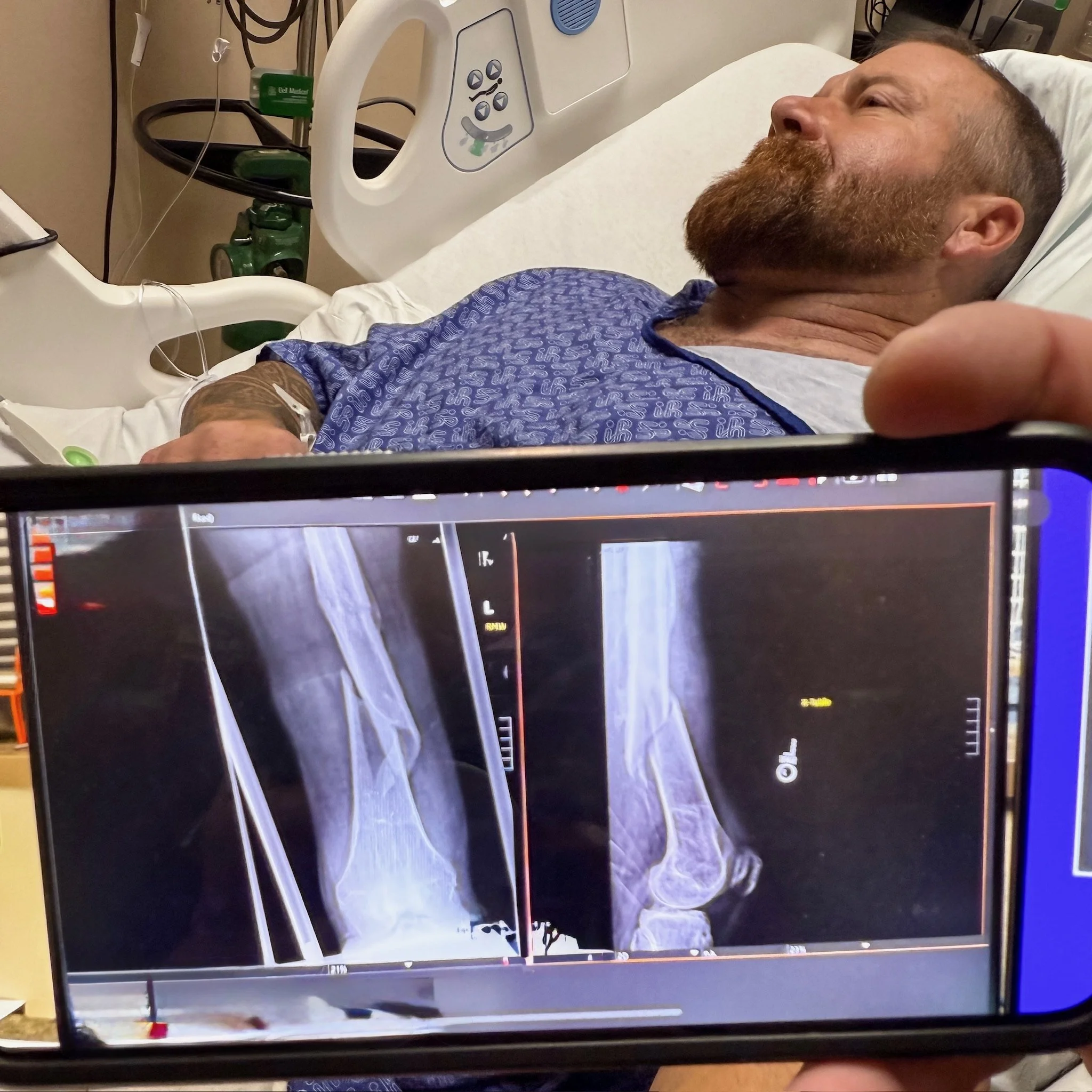
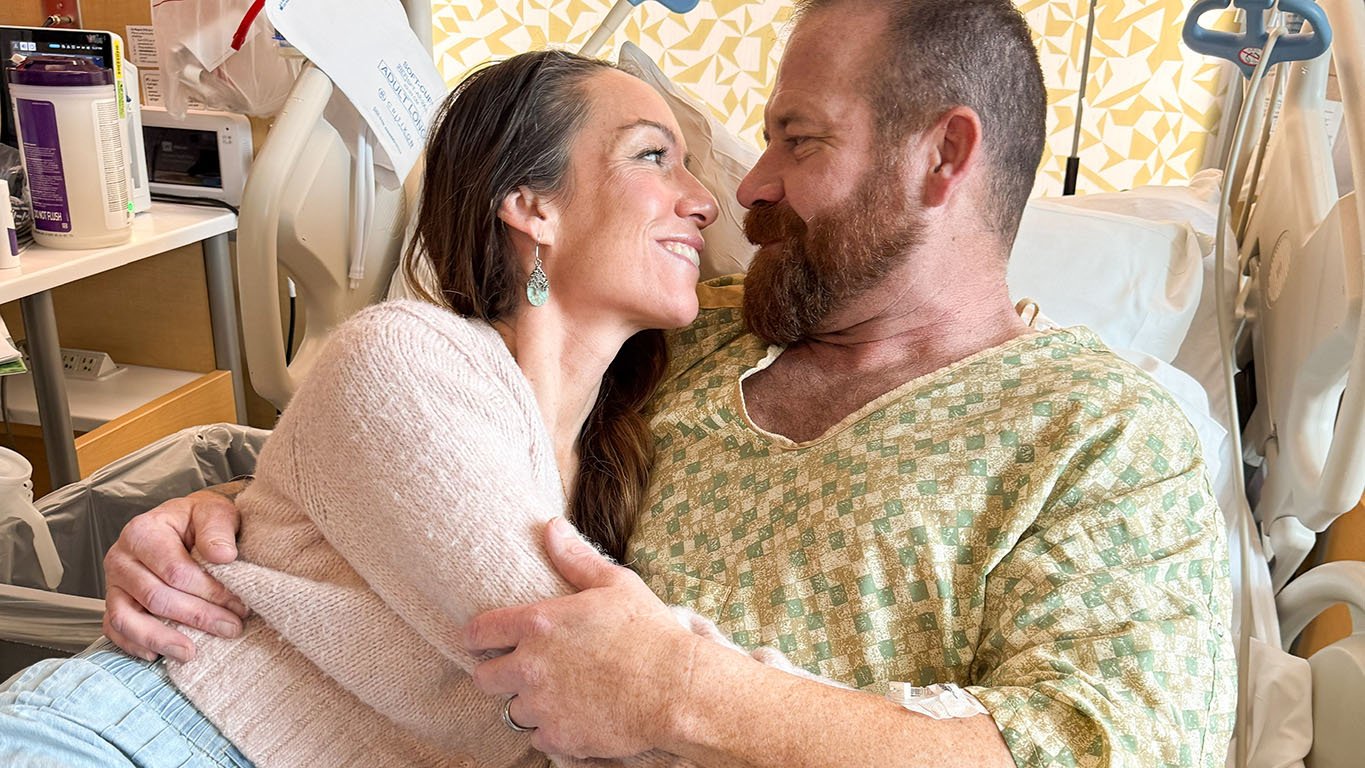
Over the years they’ve been together, that reality has included more hospital stays than most families will face in a lifetime. Cycles of progress followed by sudden setbacks. Infections that escalated quickly. Conversations with doctors that forced them to consider outcomes no family ever wants to hear, including the possibility of amputation. There have even been moments when Dan’s life hung in the balance.
Most recently, what started as wounds on Dan’s feet turned into something far more serious. For over a year, they refused to heal, leading to repeated infections and a cycle of hospital stays; six or seven over the past year alone, enough that even they stopped counting.
One of those hospitalizations came in November, when Dan broke his femur simply trying to get out of the driver’s seat of the family van, adding another blow to an already relentless stretch of recovery. By Christmas, he was still in the hospital, unable to be home with his family. They FaceTimed on Christmas morning, but his pain medication left him so drowsy that he fell asleep before they could finish opening gifts.
He also missed the kids’ first day of school this year, something that might not sound significant, but every year they take their family photos by the same tree at the elementary school, and this time, he wasn’t there. Another in a long line of moments lost to hospital stays.
Despite the sacrifices, the infections from his wounds eventually progressed to sepsis, once again putting his life at risk and raising the possibility of amputation. The only way forward to avoid amputation was complete immobility, which meant 3 months of bedrest to allow for the wounds to heal.
During our visit, Andrea shared with us that Easter took on a deeper significance this year, Dan’s injuries had finally healed and it was one of the first times in three months Dan was able to get out of bed. We were humbled and honored to share that moment with them. And as the visit ended, Dan was already talking excitedly about getting back to the office to start renovating again.
They can’t be stopped, they won’t be stopped. And when you sit at their kitchen table in West Haven, the secret to everything they’ve built becomes unmistakably clear. They're not trying to be influencers. They're a family that loves each other through hard things, with enough faith and determination to keep going when stopping would be easier. Their message to anyone paying attention, able-bodied or not, is the same message:
Stop waiting for better conditions. Keep building. Cherish your loved ones. Walk with God.
and
PUNCH TODAY IN THE FACE.


Interested in working with The Wheelchair Dad?
For brand partnerships, media opportunities, and collaborations with The Wheelchair Dad, contact Tyler@mountainandmain-ut.com
Follow The Wheelchair Dad on: